
In the session led by NarativAI’s Aleksandar Manasiev, journalists explored how AI can support the analysis of budgets, public procurement procedures, contracts and other publicly available records.
Artificial intelligence can help journalists analyse large volumes of public data, compare procurement records and identify unusual patterns in healthcare spending. But an algorithm cannot determine on its own whether corruption has taken place. That conclusion requires documents, verified evidence, independent sources and responsible journalistic judgement.
This was one of the central messages of the Advanced Training for Journalists – Investigative Lab, organised by the Association for Emancipation, Solidarity and Equality of Women (ESE) on 10-11 September 2026 in Bitola. The event continued the first two-day training programme, held on 19-20 May in Veles, where journalists developed foundational skills for investigating corruption in healthcare, public spending, and violations of human and women’s rights.
During the months between the two training phases, participants researched and produced 17 journalistic stories addressing weaknesses in the public healthcare system. Their reporting covered corruption risks, limited access to preventive healthcare, the challenges faced by pregnant women, and the mental health needs of mothers and children.
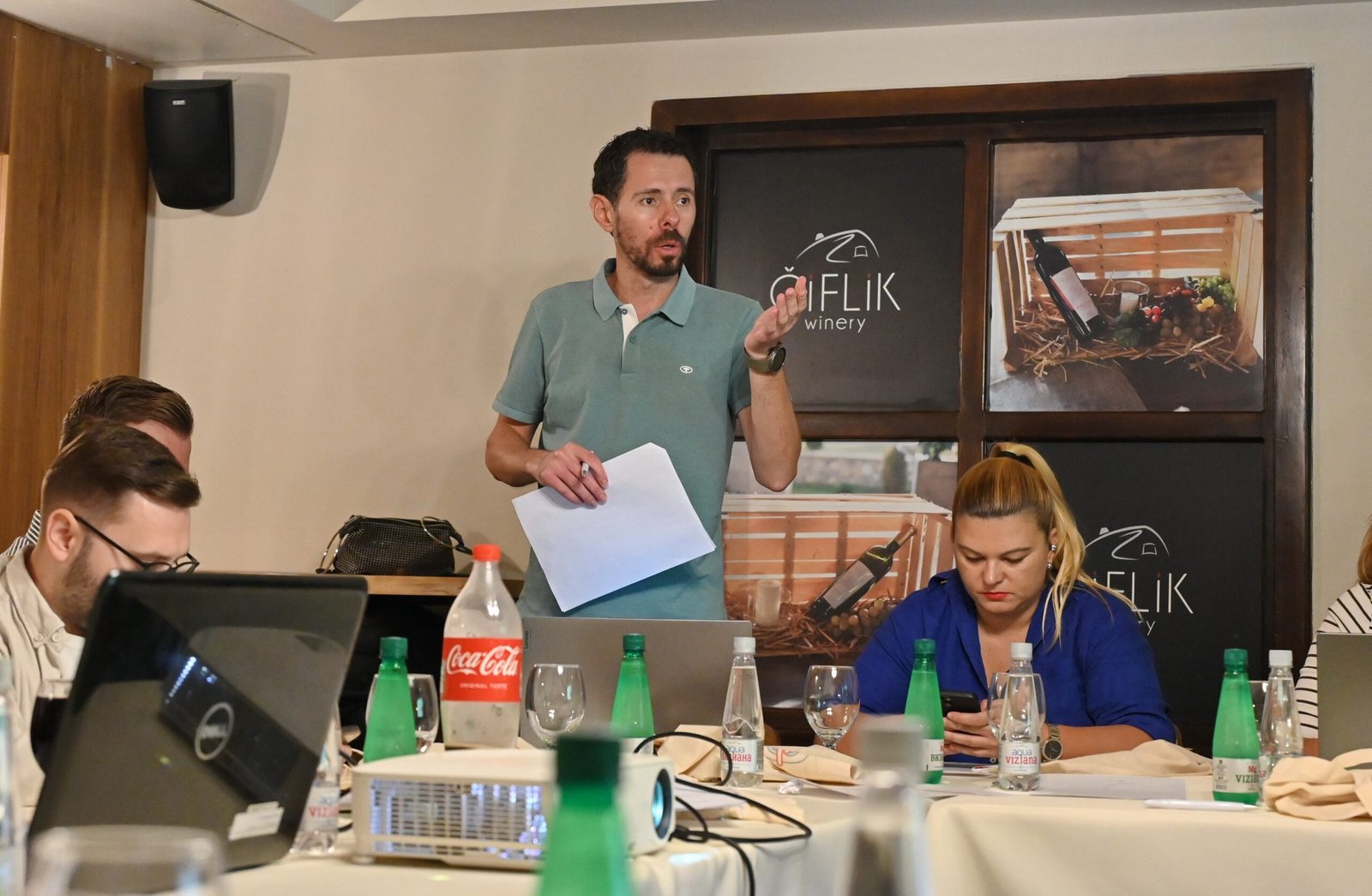
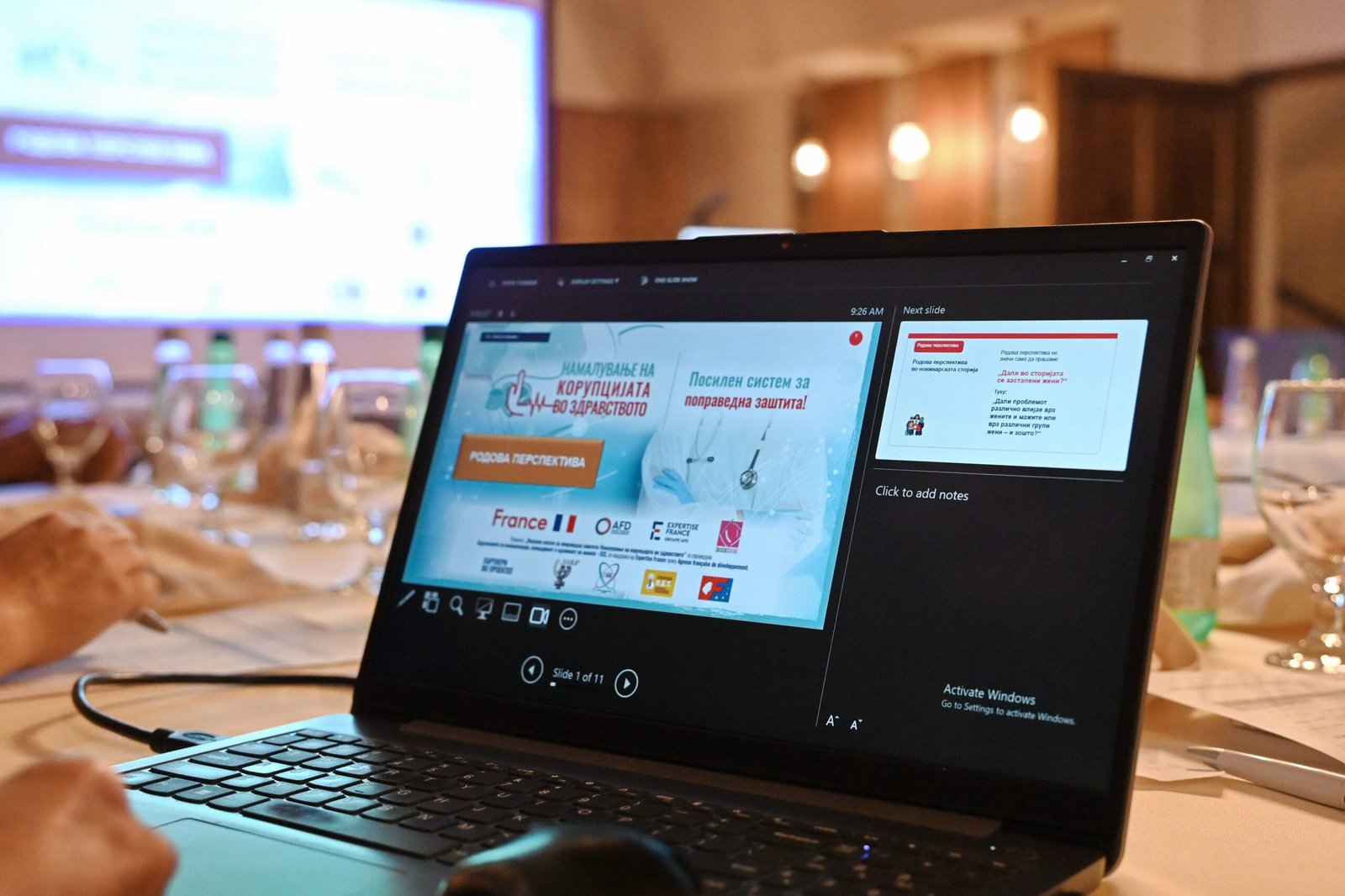
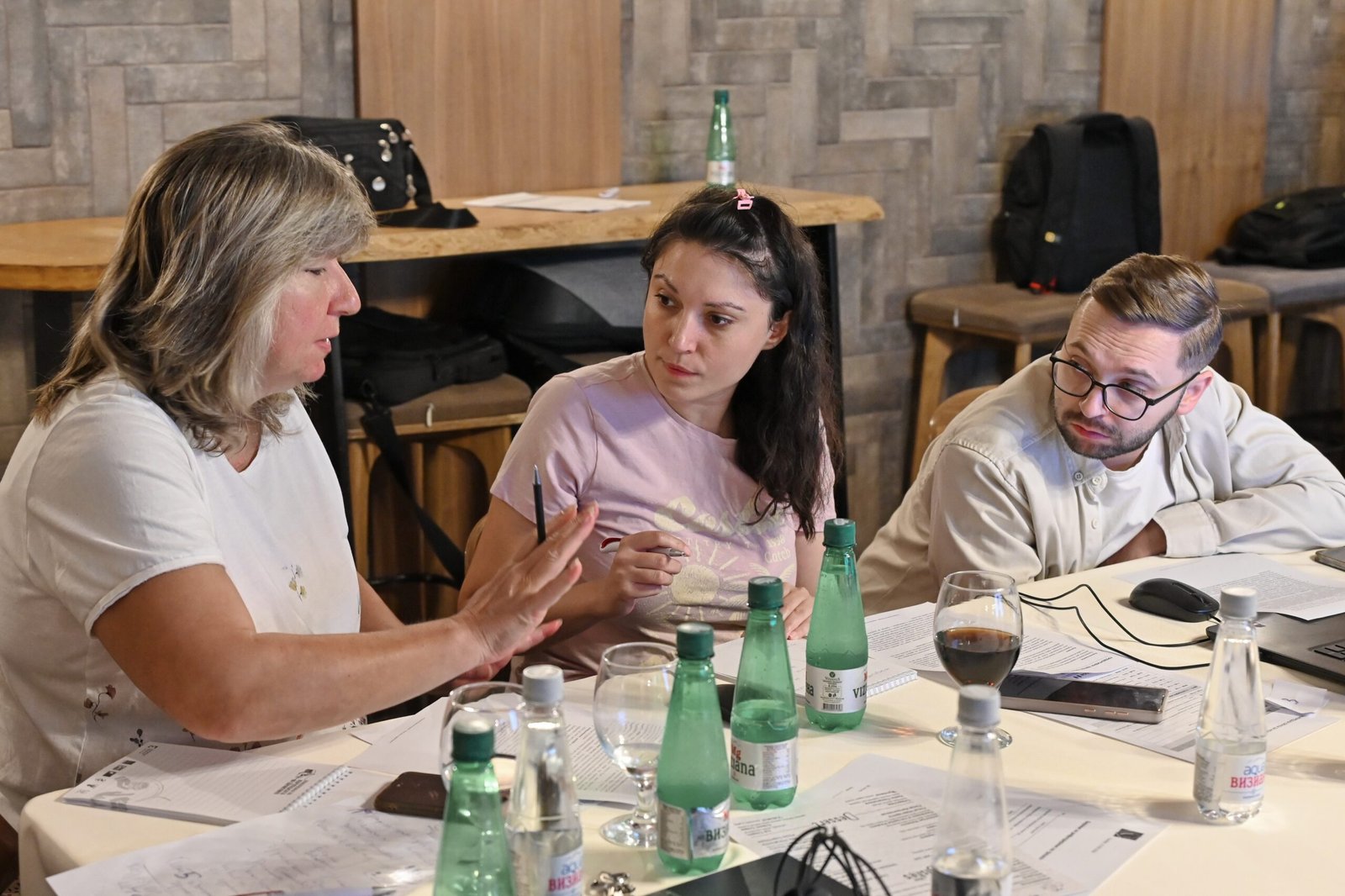
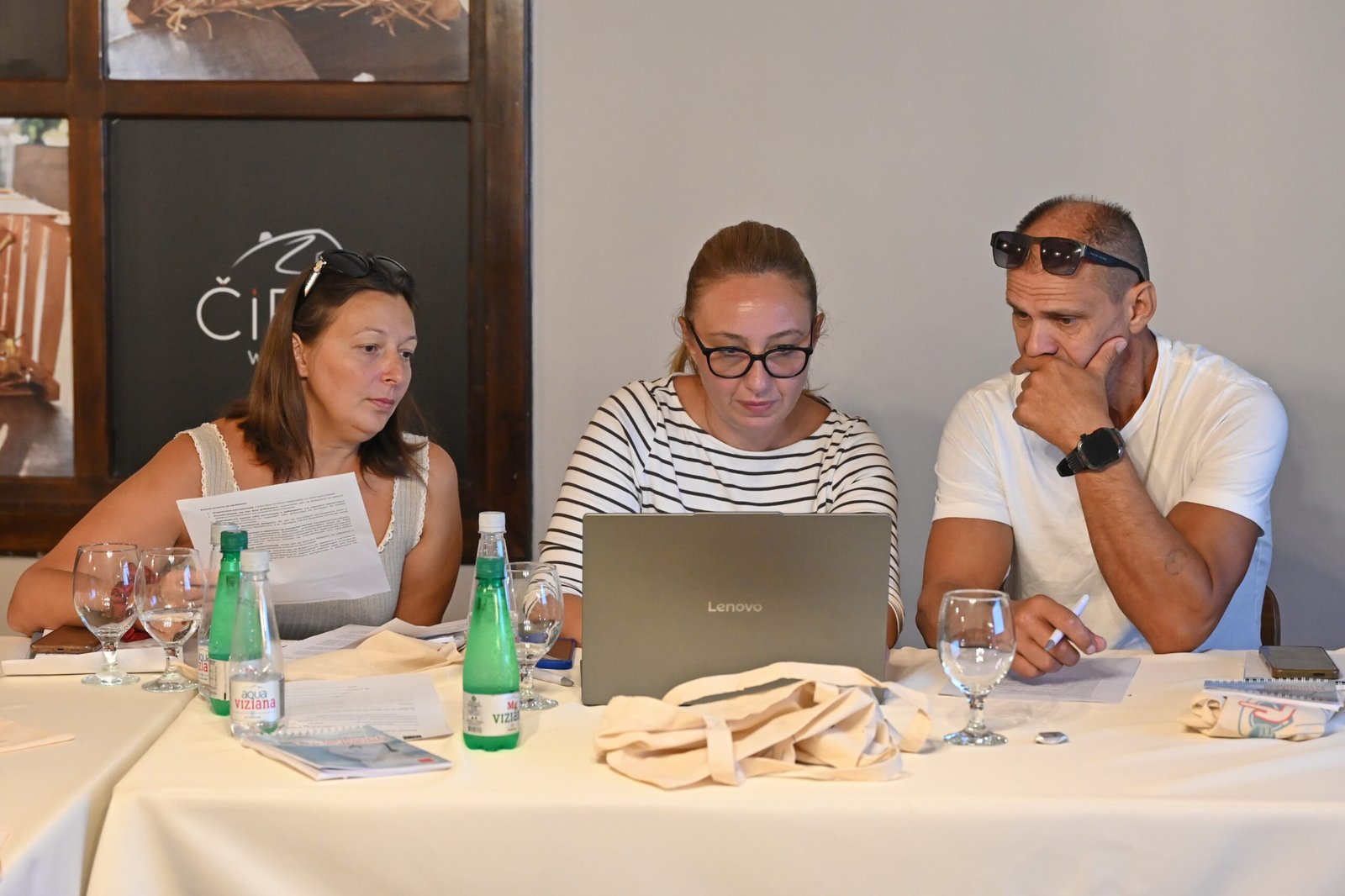
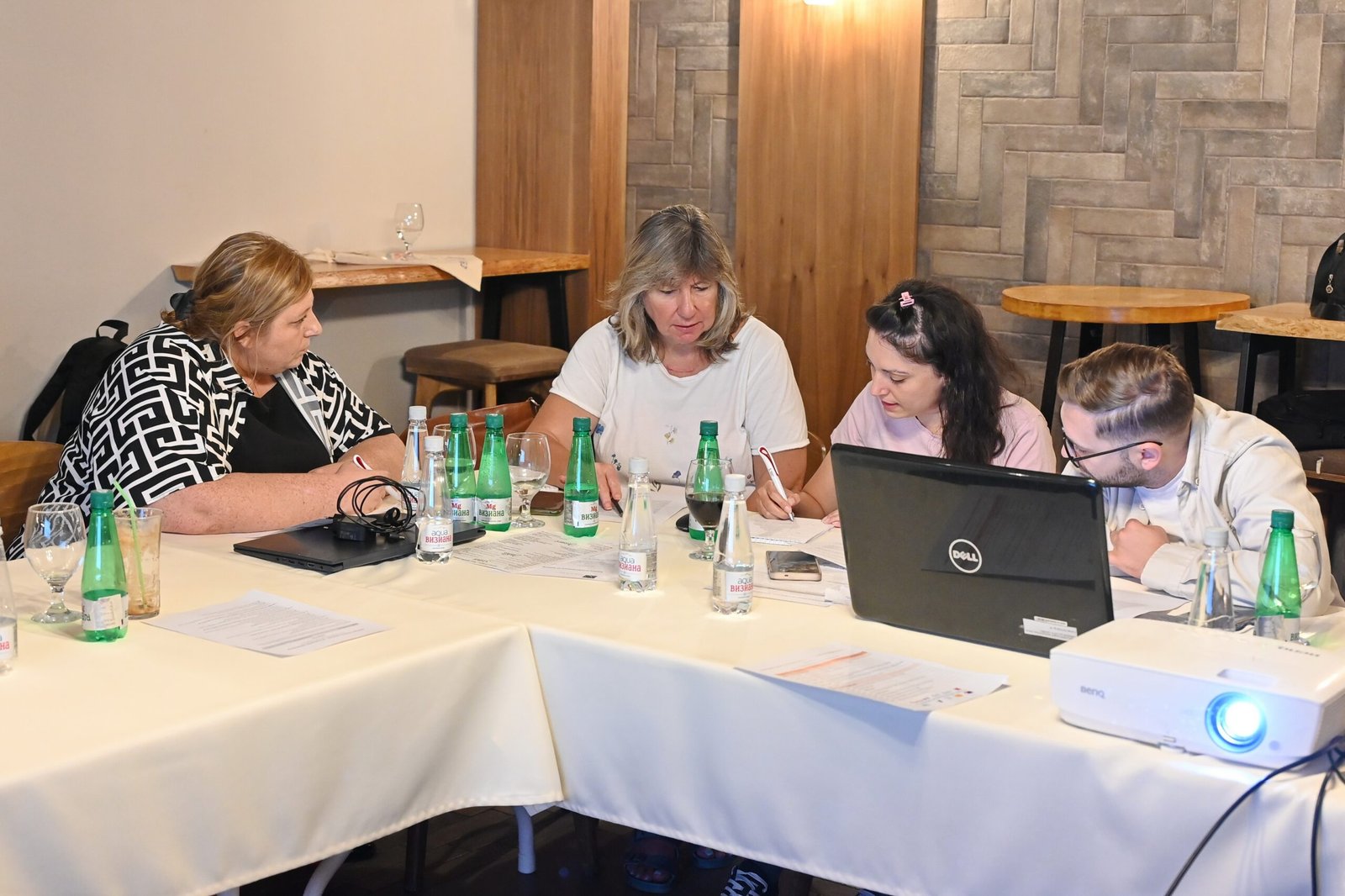
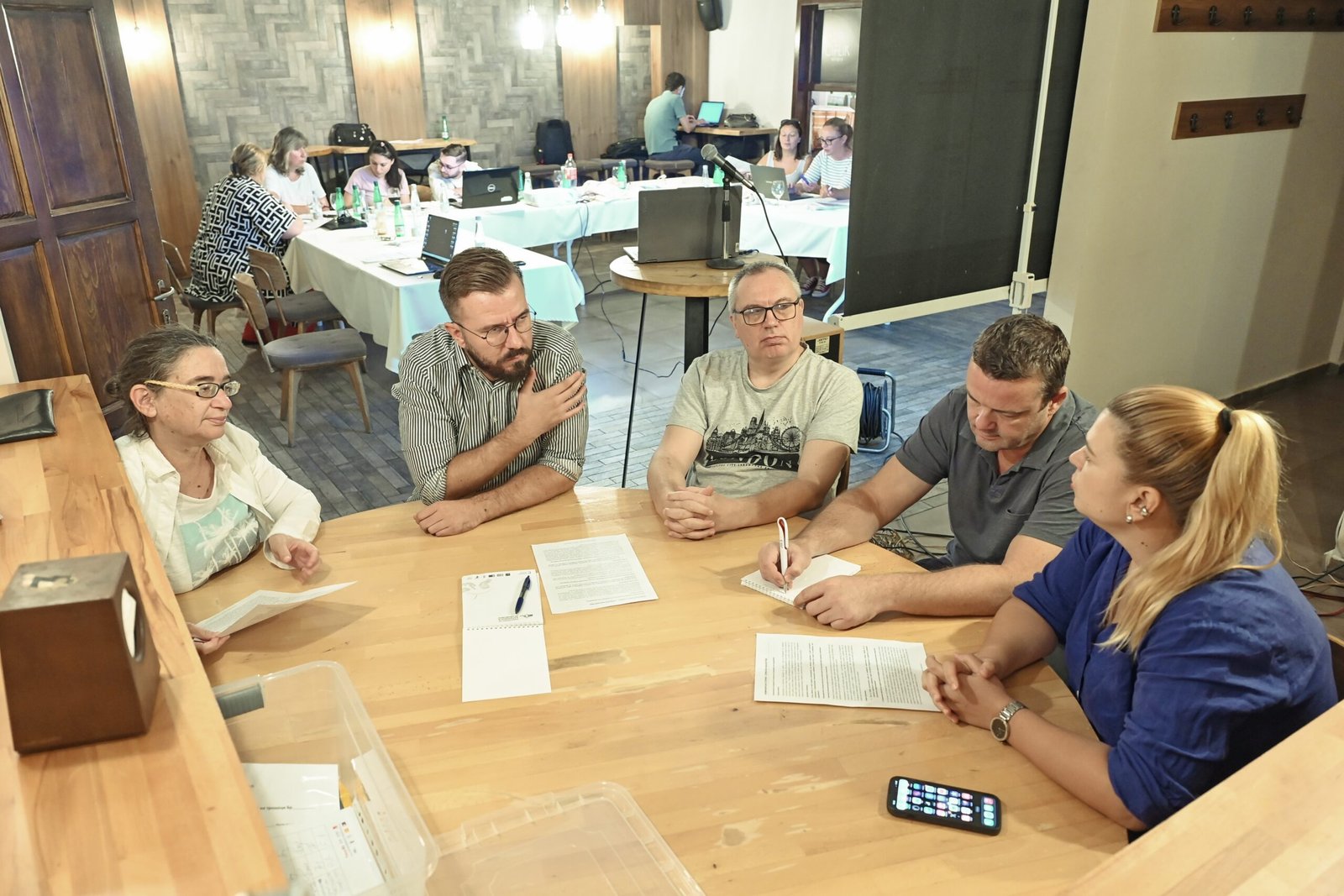
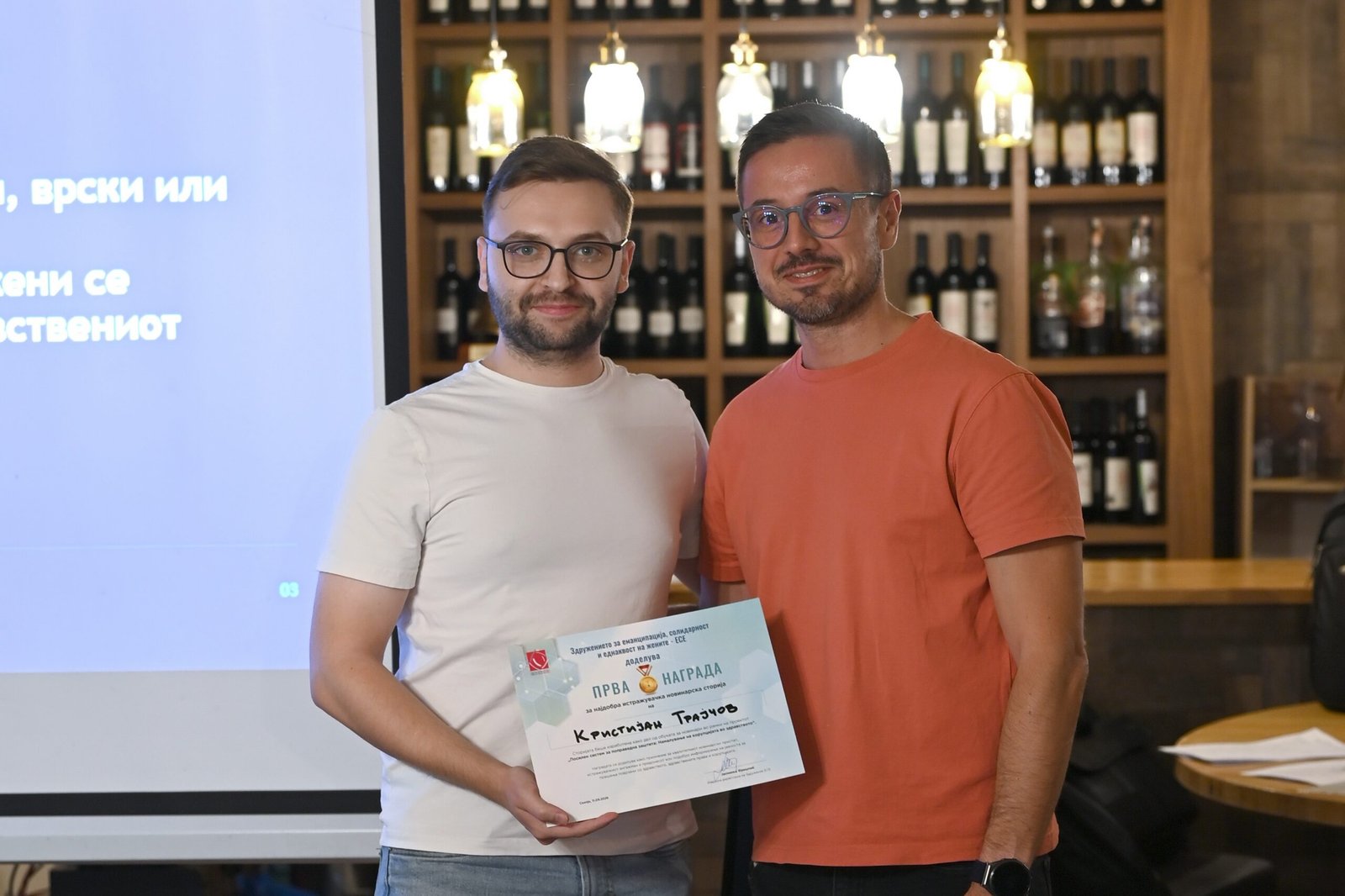
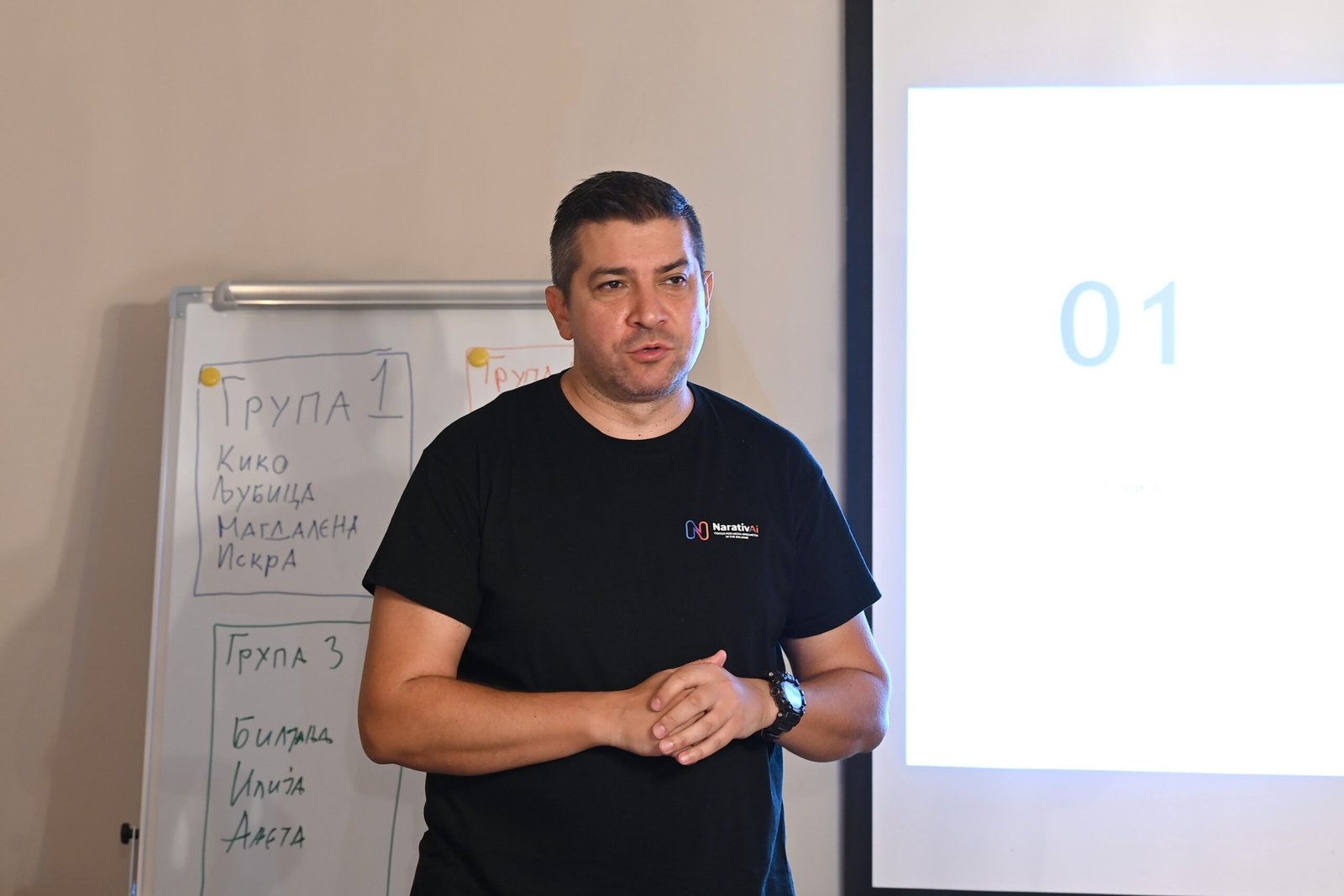
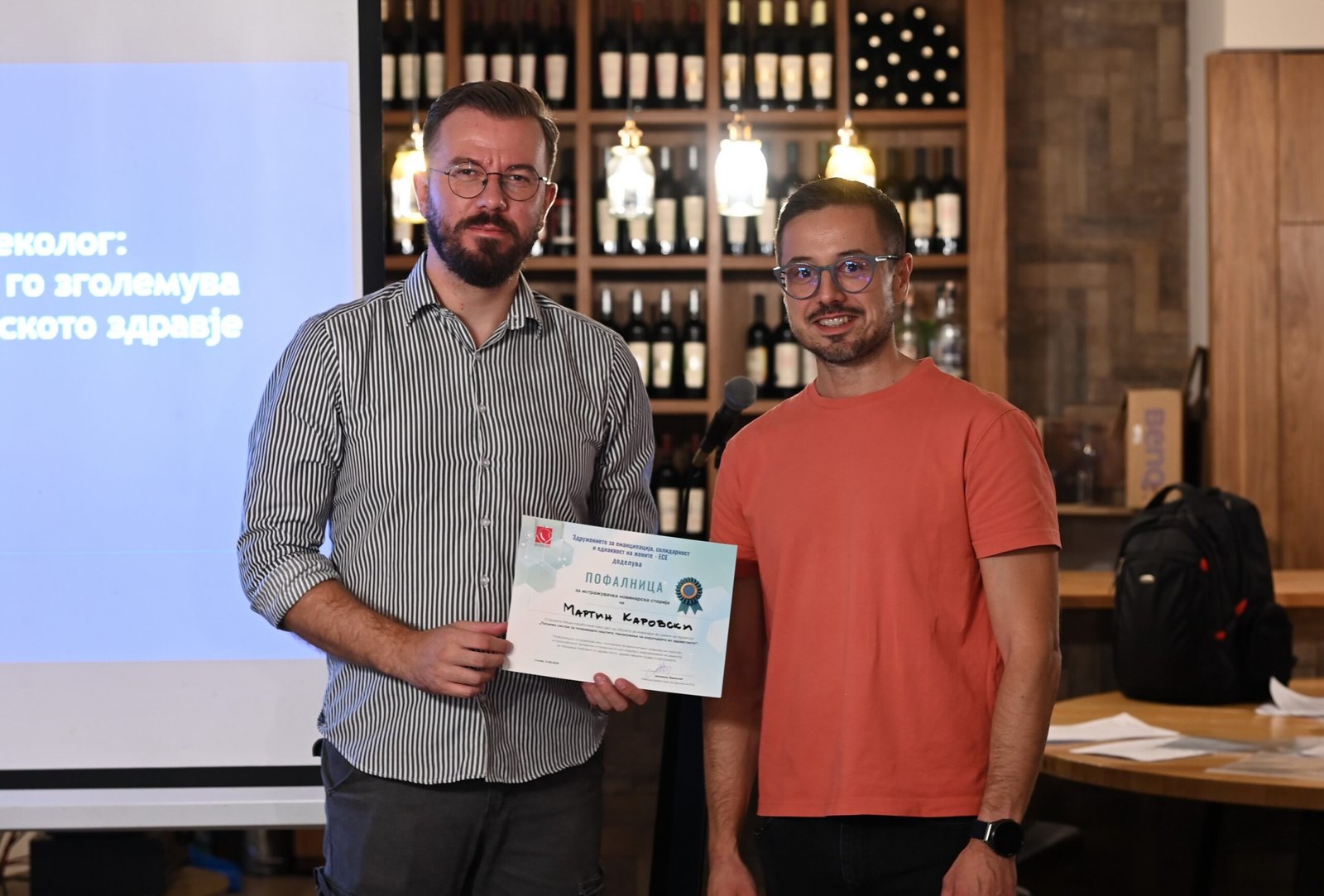
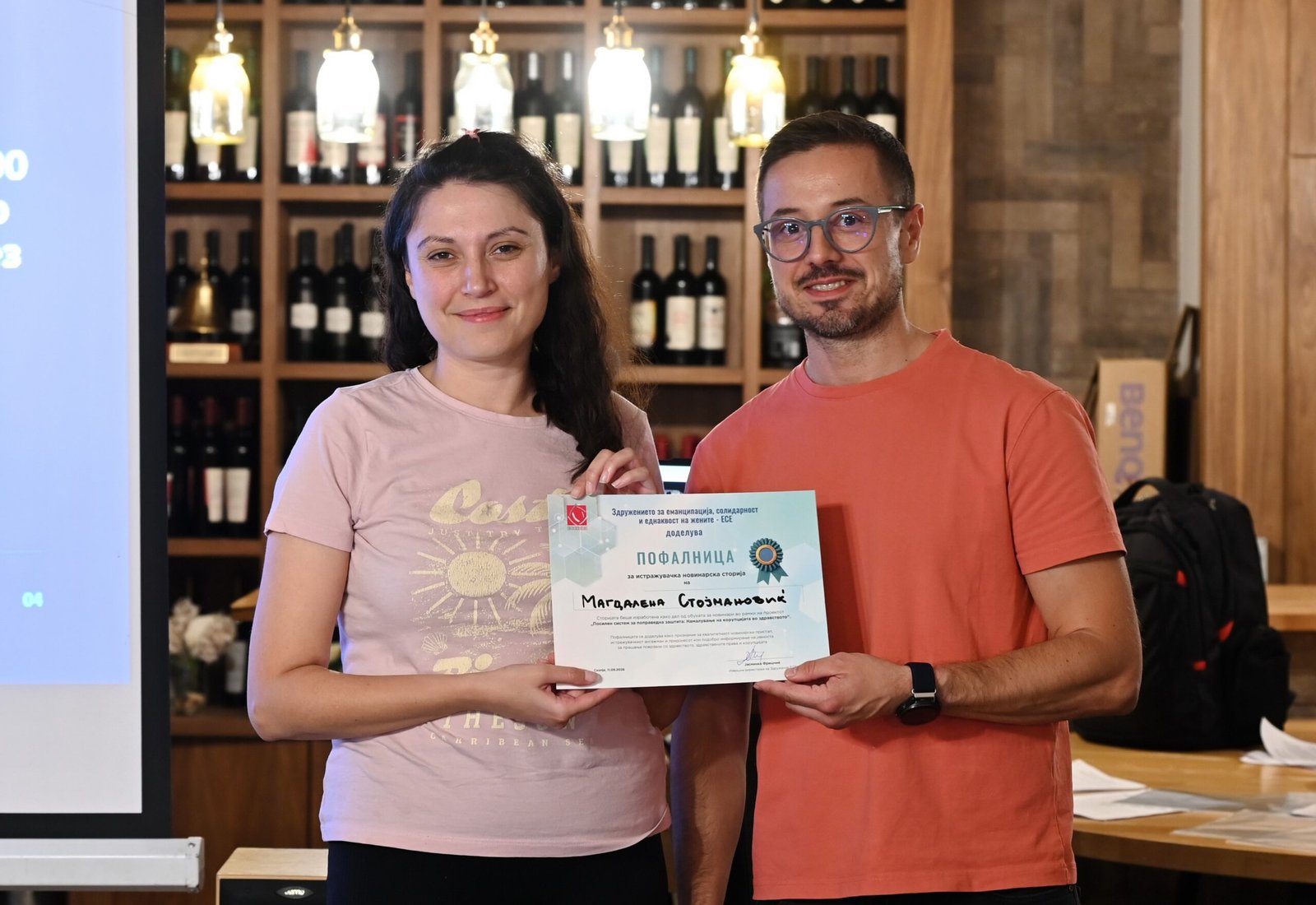
Photo: Association ESE
The advanced training in Bitola moved the process a step further-from identifying a public-interest problem to building a verifiable investigative hypothesis. Participants worked as small editorial teams, examining public documents and datasets, mapping institutions and responsibilities, and identifying the people and communities most affected by failures in the healthcare system.
In the session led by NarativAI’s Aleksandar Manasiev, journalists explored how AI can support the analysis of budgets, public procurement procedures, contracts and other publicly available records. They used AI-assisted methods to extract and clean data, compare spending across different years and institutions, and search for anomalies, trends and connections that could provide a starting point for further investigation.
The emphasis, however, remained on verification. Every result produced with AI must be checked against the original source, while journalists must clearly distinguish between a verified fact, an indication and an assumption. AI can help identify where to look, but it cannot replace source verification, contextual understanding, the right of reply or editorial responsibility.
Media expert and trainer Mirko Trajanovski guided participants through an editorial analysis of the published stories, helping them distinguish claims from evidence and identify gaps in documents, sources and institutional accountability.
Representatives of ESE presented research dossiers based on real healthcare challenges and led practical work on examining corruption risks through a human rights and gender perspective.
The award for the best story was presented to journalist Kristijan Trajchov for “To the Doctor by Taxi, Connections or Cash: How Rural Women Navigate the Healthcare System.” Commendations were awarded to Martin Karovski for his story on how poverty increases health risks for women living in rural areas, and to Magdalena Stojmanović–Konstantinov for her investigation into prenatal screenings costing between 20,000 and 43,000 denars that are offered without systematic records.
The training was organised by ESE as part of the project “Stronger Systems for Fairer Care: Reducing Corruption in Healthcare,” supported by Expertise France via the Agence française de développement.
(This text was written and reviewed by the editor with support from artificial intelligence tools for language editing and stylistic refinement. More on how NarativAi uses AI — Link)