
This international investigation examines the reasons behind the disappearance of rare plant species in North Macedonia and Bosnia and Herzegovina. Through testimonies and interviews with experts, it reveals weaknesses in the protection system, while the Austrian model shows that with clearly defined responsibilities, stable funding, and education, effective conservation is possible.
Authors: Aleksandar Manasiev, Amina Bijelonja Muminović, Harun Muminović
Nadica Madžirova is an eco-activist from Bogdanci, a small town in the south of North Macedonia, right next to the Greek border. She works in a country where the public is far more familiar with protected animal species such as the Balkan lynx or the Ohrid trout than with plants that quietly disappear beneath people’s feet. It is therefore not surprising that few have heard of the bladder milkvetch, a critically endangered plant that Nadica persistently tries to protect before it becomes part of the past.
We met her in autumn, when the bladder milkvetch had not yet sprouted, yet she still carried it with her, printed on her T-shirt, as a symbol and a reminder. In Bogdanci, this rare plant even has its own central mural, making the town one of the few in the country that consciously highlights the importance of endangered plant species.
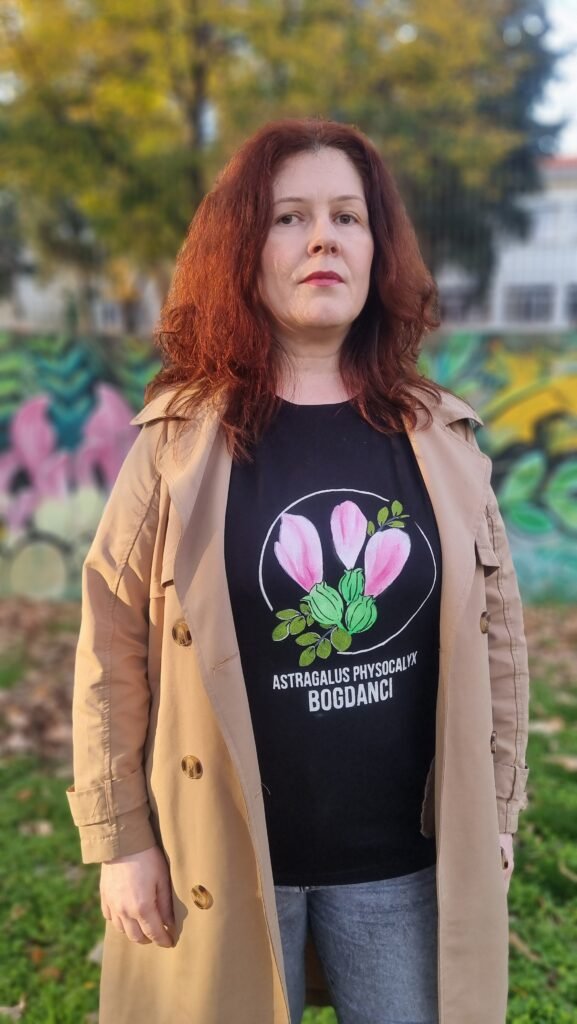
“In our country the bladder milkvetch grows only here, in Bogdanci. In the world, there are only two or three other locations where it exists, which makes its vulnerability enormous,” says Nadica Madžirova.
According to the Ministry of Environment of North Macedonia, the bladder milkvetch is a critically endangered species. Its population survives only within a small, limited area. It grows at an altitude between 220 and 330 meters, on an area of about 6 square kilometers, where only around 2,200 individual plants remain.
At the site where it survives, construction and other human activities are taking place that could threaten the species. A water supply pipeline from Gjavatovo to Lake Dojran has been built nearby. A gas pipeline also runs close to the site, but fortunately it has not yet damaged the population. Above the Churčulum locality, where the plant grows, wind turbines rise, and the area itself is frequently exposed to fires.
The organization where Madžirova works, “Polimat 13,” implements a series of projects aimed at protecting the bladder milkvetch and raising awareness among the local population about its importance.
“When we started, the local community had no idea that such an important species even existed. Now they are beginning to recognize it as part of our natural heritage,” she explains.
She adds that when the wind turbines were built, no one took this plant into account and it is unknown whether they had any impact on its population. However, she warns that a new threat is now emerging.
“With the expansion of energy facilities and photovoltaic plants, this is becoming a new danger for the bladder milkvetch,” says Madžirova.
A country rich in flora
The bladder milkvetch is just one small plant, limited to a few hectares above Bogdanci, but its story easily fits into a much broader picture. North Macedonia is a country rich in flora. It is home to between 3,200 and 4,000 plant species, which is more than a quarter of all European flora and about half of the flora of the Balkan Peninsula.
Despite this richness, the country still does not have an officially adopted national Red List of endangered plant species. This is confirmed by Academician Vlado Matevski, one of the country’s leading natural scientists and botanists.
“Unfortunately, the country doesn’t have a Red List for its flora. It is the state’s obligation to prepare one using its own financial resources,” says Academician Matevski, adding that as a poor country, we depend on international donors for such activities.
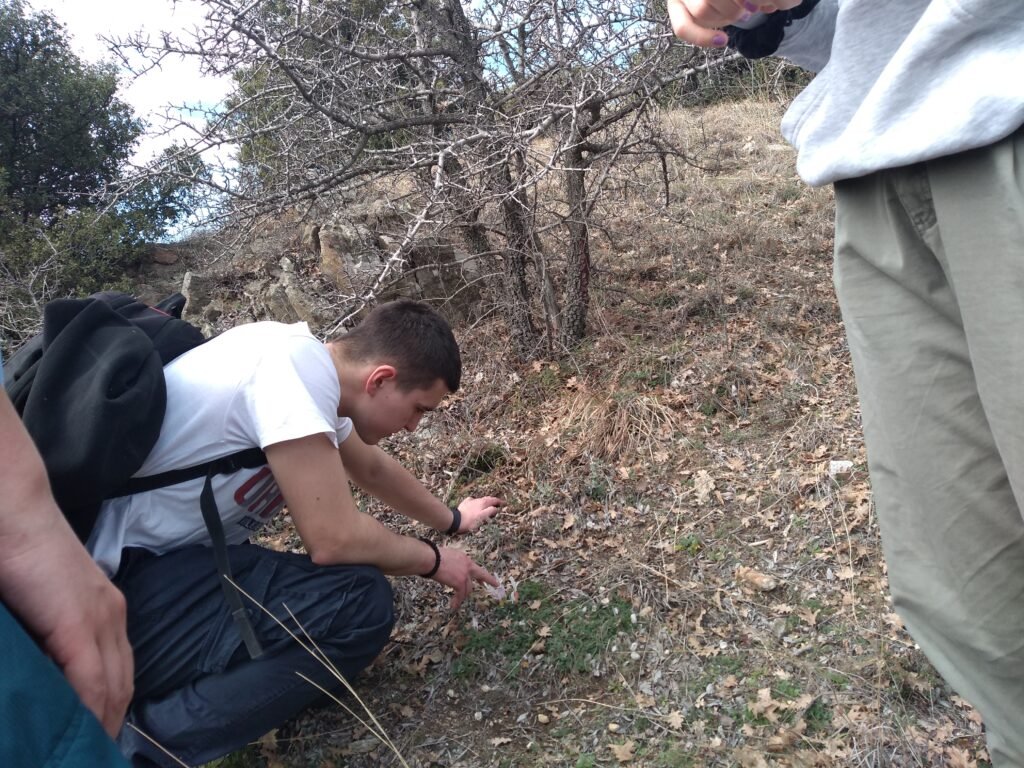
Instead of a systematic assessment, there is only a priority list prepared as a basis for a future Red List, from which only a small number of species have so far been evaluated.
Precisely because of this, plants such as the bladder milkvetch remain vulnerable: they survive in very limited areas, depend on specific conditions, and the formal protection system is not sufficiently developed to recognize and prevent their disappearance in time.
Matevski says that there are species which today exist only as herbarium specimens and can no longer be found in the wild.
“It is even more dangerous when species that are found exclusively in our region disappear, endemic and relict species. It is enough for just one condition in their habitat to be disrupted, and that can be catastrophic and lead to extinction,” Matevski explains.
According to Matevski, the greatest threats to rare plant species are the destruction of habitats through construction activities, roads, mining, and energy projects, which are often located precisely in areas of the highest biological value.
An additional risk stems from the fact that scientific warnings are rarely taken into account, and endemic and relict species, which are extremely sensitive even to the smallest changes, are unable to adapt and therefore disappear quickly.
“Unfortunately, the scientific community points to the biological value of certain areas, but it is rare for an investor or a project designer to abandon a project despite the facts presented in the studies,” he says.
Threats to plant species
The Ministry of Environment also acknowledges that numerous threats are putting the survival of rare plant species at risk. According to the Ministry, the most critical ones are uncontrolled urbanization, municipal waste, weak enforcement of laws, pollution of groundwater, excessive use of chemicals in agriculture, burning of vegetation, and the increasingly evident effects of climate change.
Interactive map: rare plant species at risk
Although we requested data from the Ministry on inspections and penalties related to the illegal harvesting of protected plants, they responded that they do not have such information. Instead of concrete figures, they referred us to the State Environmental Inspectorate, the only institution that keeps records of these offenses.
Field supervision of protected plants remains a key element in preventing their disappearance. Over the past three years, inspectors have carried out around 200 inspections related to the collection and export of endangered plant species.
“Managers of protected areas submit reports to us about illegal picking and destruction of endangered and protected wild plant species. Based on these, we have issued decisions with warnings and bans on collection and destruction, as well as misdemeanor sanctions for the movement of grooming machines that cause damage to endangered and protected wild plant species,” the State Environmental Inspectorate says.
This institution has only three state inspectors for nature protection who supervise protected areas and, when necessary, conduct joint field inspections together with the ranger services of the protected areas.
“Violations related to the protection of plant species are most often detected by rangers in protected areas, as they carry out direct on-site protection. Offenses are most often committed by individuals, but there are also cases involving legal entities, and in certain situations, violations by persons from neighboring countries,” the Inspectorate states, adding that the most frequent violations are recorded in the Šar Mountain National Park, which is also one of the most biologically rich areas in the country.
Protected areas without sufficient resources
We also contacted the authorities in the park, who say that Šar Mountain is home to more than 1,500 plant species, including many rare and endemic ones, and that some of them are already under constant threat, not only from human activity but also from climate change.
“Due to the numerous threats and limited resources, in cooperation with our expert and scientific council we have identified five key species and five key habitats for regular monitoring. After two years of observation, the most visible changes are already evident: the drying of spruce forests, a decline in the population of Šar Mountain tea, and the retreat of the shoreline of Lake Karanikoličko,” says Anela Stavrevska-Panajotova, Head of the Department for Nature Protection.
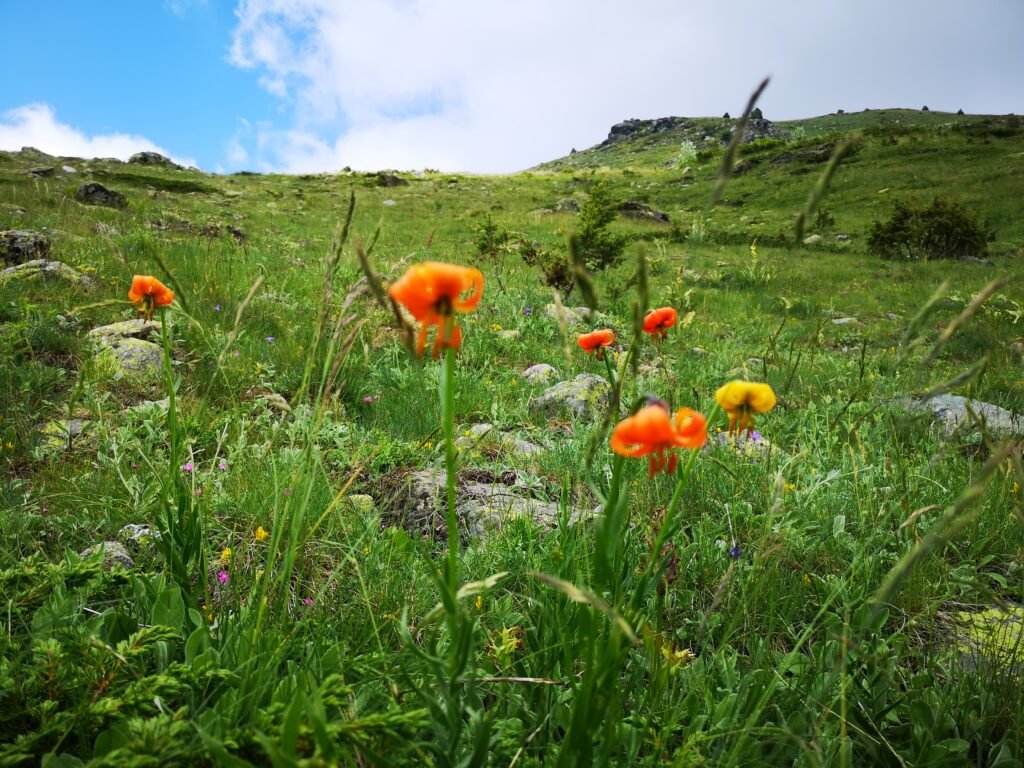
Photo: Eко-svest
The fact that authorities in protected areas lack sufficient capacity for proper protection is also confirmed by environmental activist Darko Kitanovski from Eкo-svest. He says that these protected areas lack equipment and resources, which is a result of insufficient funding and limited state support.
“If we declare an area a National Park, we must provide it with the financial resources to function as such. Otherwise, protection remains only on paper,” Kitanovski says.
He explains that the problem is even greater outside protected areas.
“Outside protected areas, critically endangered plant species receive almost no attention at all,” he says, adding that all endemic plant species in the country are at risk.
According to him, the problem is not the laws themselves, but the fact that they are rarely implemented in practice. Kitanovski also points to irresponsible collectors as a serious issue, as improper harvesting causes direct damage.
“Many people pull plants out violently, without leaving any chance for them to grow again the following year,” he says, adding that they are working on educating collectors to prevent destruction.
“Through training sessions and workshops, we want to show that plants can be used, but in a sustainable way,” he explains.
The problem of uncontrolled collection of rare and endemic plants by professional collectors is also highlighted by Matevski.
“This poses a serious threat to the flora, especially during the summer, when vehicles with foreign license plates, adapted for collecting live or seed plant material, are present in the mountains,” says Matevski.
The problem is further exacerbated by the fact that scientific publications often contain precise GPS coordinates of rare plant locations, making this information easily accessible to collectors as well.
These warnings are not limited to scientific assessments alone. Similar problems are also recorded on the ground, particularly in protected areas with high biological value.
“In Mavrovo National Park, intensive and unprofessional harvesting of plants with commercial value has been recorded. Through mowing or completely uprooting the plants, their natural regeneration is prevented,” the management of Mavrovo National Park says.
They single out commercially valuable plants as the most frequently affected.
“The species most exposed to uncontrolled collection are those with commercial value, such as salep, gentian, and bilberry, which, due to market demand, are often harvested unprofessionally and in large quantities,” the park authorities state.
They explain that the problem is not only the quantity, but also the method of collection.
“Harvesting is most often carried out by mowing or completely uprooting the plant, which prevents its natural regeneration and causes the permanent destruction of local populations,” warns the management of Mavrovo National Park.
Uncontrolled harvesting of protected species
According to the management of Mavrovo National Park, such practices have long-term consequences, as the regeneration of these species is slow and depends on very specific natural conditions. An additional challenge is the fact that some of the collectors come from neighboring countries, which makes field control even more difficult.
“Control is further limited by the insufficient number of staff and limited financial resources,” the park authorities point out.
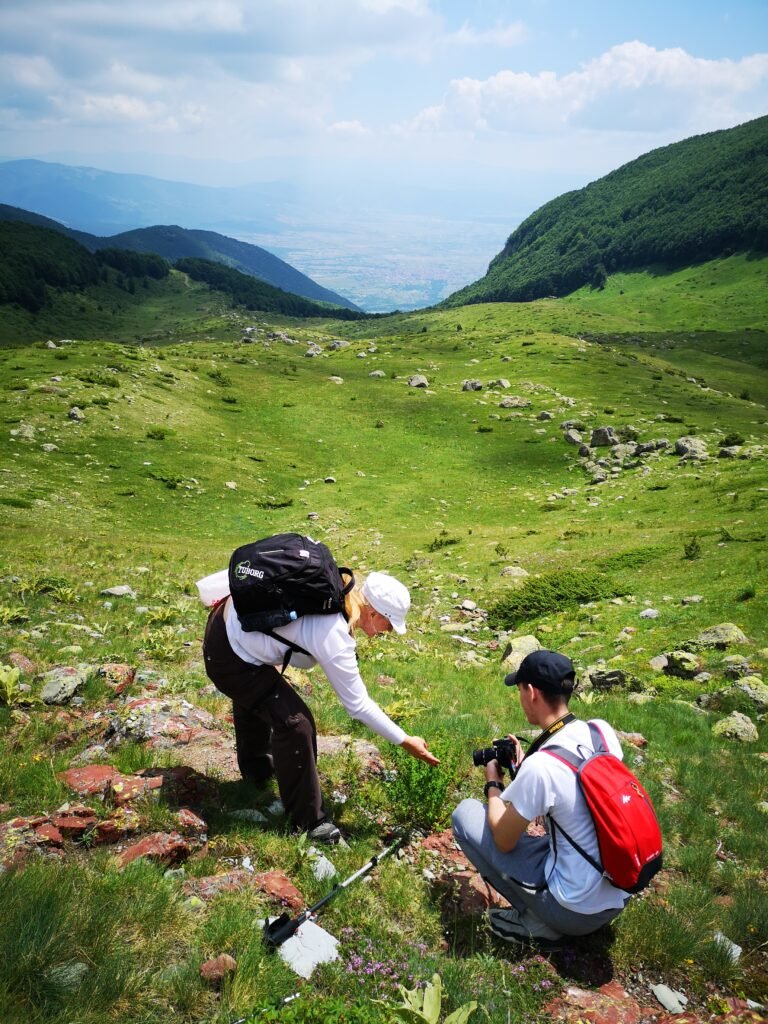
However, although uncontrolled harvesting represents a real threat, the interviewees agree that it is only part of a broader problem. A much more serious weakness, they say, lies in the protection system itself, in unclear responsibilities, limited resources, and the lack of long-term state support. These structural shortcomings are also highlighted by Andon Bojadži, a long-time employee of Galichica National Park and former director of the park. He briefly states that the biggest problem is the state’s attitude toward protected areas.
“The state has declared protected areas, but it has not assumed the obligation to finance their protection. This situation remains unchanged to this day,” he explains.
In this park, there are only five rangers responsible for on-site protection. Although international standards suggest that one ranger can cover about 2,000 hectares, the park spans more than 24,000 hectares.
“That shortage, combined with overlapping and unclear legal regulations, seriously limits effective protection. The powers of rangers are not clearly defined, which restricts their ability to act in cases of illegal activities, while an inefficient judicial system further discourages them,” says Bojadži.
North Macedonia is one of the few countries in the world that does not allocate funds from the state budget for financing nature protection in national parks. For this reason, most national parks rely on income generated from the exploitation of forests.
Unlike most parks in the country, where revenues still depend on the use of forest resources, Galichica National Park has managed to establish a more sustainable model: financing through entrance fees, international projects, and support from the Prespa–Ohrid Nature Trust Fund (PONT).
According to Bojadži, the greatest threat to the protected area is urbanization, as construction destroys natural habitats and disrupts the landscape.
“In addressing this threat, our powers are very limited, since the authority to act lies with other state institutions. We regularly and unsuccessfully raise the alarm about this problem,” Bojadži says with frustration.
Trade in plant species from Bosnia and Herzegovina
We continue our investigation in Bosnia and Herzegovina, a country that ranks among the most biodiverse areas in Europe, with a large number of rare, endemic, and medicinal plant species and fungi. They form the backbone of the stability of local ecosystems, but are also part of traditional medicine and the identity of communities living in mountainous and rural areas.
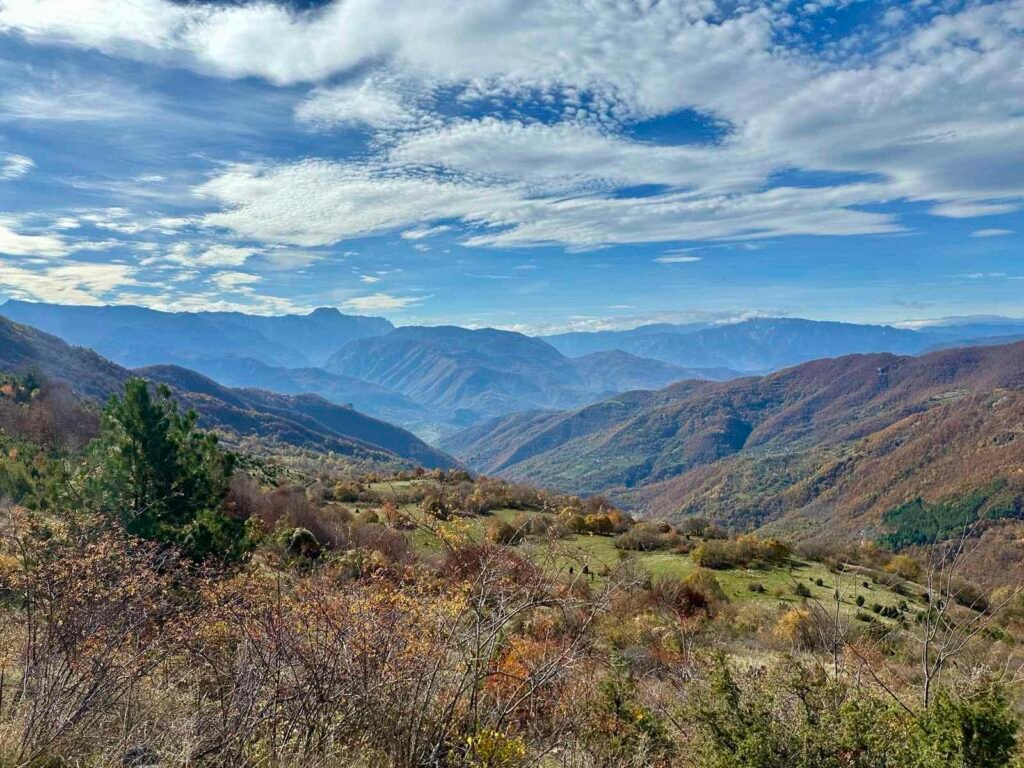
Alongside this natural wealth, demand for medicinal herbs, fungi, and rare plant species on both domestic and international markets has been growing in recent years, particularly in the pharmaceutical, cosmetic, and food industries.
Our investigation shows that the collection and export of plant species from Bosnia and Herzegovina, in certain cases, though not on a large scale, take place in a “grey zone,” between formally existing laws and their weak or selective enforcement.
Although international conventions, entity-level laws, and by-laws prescribe strict rules for nature protection, in practice there is a lack of central records, institutional coordination, and systematic monitoring of conditions in the field.
The result is a deep gap between biodiversity conservation and profit-driven exploitation. Local communities and ecosystems thus suffer long-term losses, while benefits are reaped by individuals and networks involved in the chain of collection and export, often with the tacit approval, lack of awareness, or inaction of the responsible institutions.
Biodiversity as a resource and as part of identity
Bosnia and Herzegovina has exceptionally rich flora and mycoflora, a result of its geographical position, climatic diversity, and well-preserved natural habitats. According to Armin Macanović from the Department of Biology at the Faculty of Natural Sciences and Mathematics of the University of Sarajevo, the plant species with the highest market value are at the same time the most exposed to overexploitation.
“Research conducted in recent years across the entire territory of Bosnia and Herzegovina shows that traditional knowledge of medicinal plants still exists, but is in decline. People over the age of 40, on average, know about eight medicinal plants that they use in everyday life, while younger generations are familiar with only one or two. Nevertheless, overall use remains high, and it is estimated that between 90 and 100 medicinal plants are used in households in Bosnia and Herzegovina, while historical records speak of more than 750 useful plant species,” says Macanović.
This gap between the richness of nature and the weakening of traditional knowledge further opens space for commercial exploitation, often without an understanding of the long-term consequences for ecosystems.
The most endangered species and the situation on the ground
According to experts, among the plant species most exposed to uncontrolled harvesting are gentian, immortelle, bilberry, cranberry, Iceland moss, as well as numerous species of mushrooms, including morels, boletes, and chanterelles. Meadow orchids are also particularly endangered, disappearing both due to collection and because of meadow overgrowth and changes in land use.
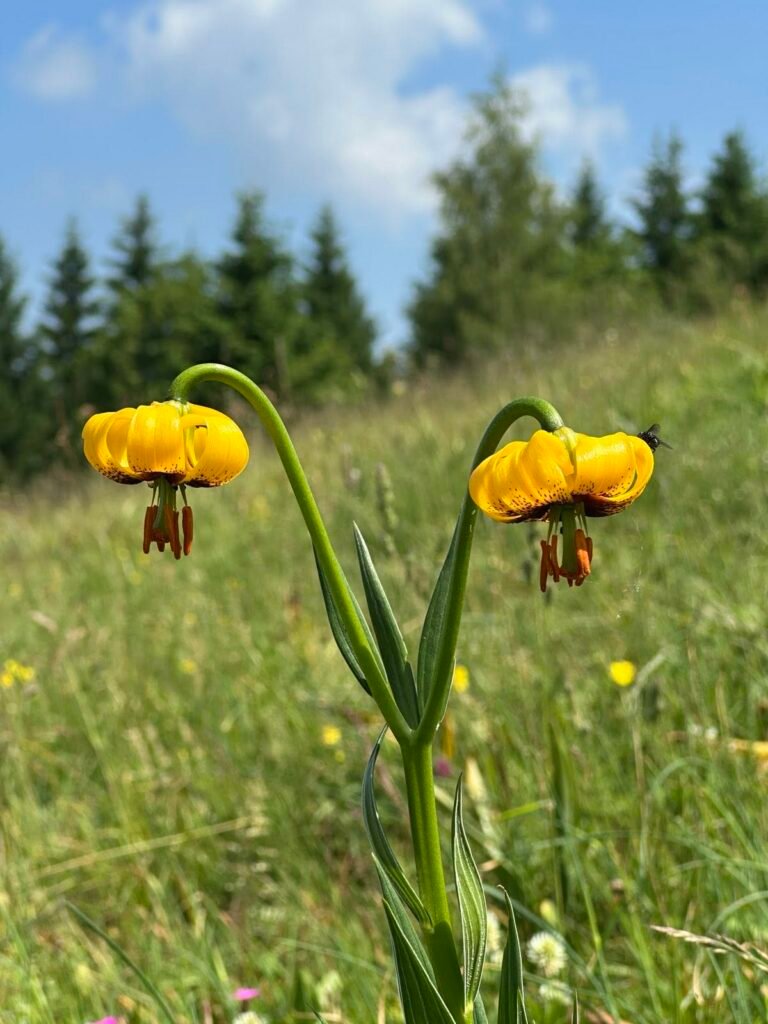
Macanović warns that uprooting plants together with their roots is one of the key problems, as such populations often have no chance to regenerate.
“When a plant such as gentian is uprooted, whose root is the main organ for regeneration, the entire population at that habitat can disappear. Field examples further confirm this picture. In the mountains of Bitovnja and Visočica, cases of degradation of bilberry and cranberry habitats have been recorded, both due to excessive harvesting and due to infrastructure interventions, such as the construction of roads and energy facilities,” Macanović notes.
He further points out that in the village of Umoljani, in the area of Studeni Potok, local residents have reported quad bikes being driven through the streambed, which further disturbs these sensitive mountain ecosystems.
Profit interests and the chain of exploitation
Behind the collection of medicinal plants and fungi there is often a complex chain in which local gatherers represent only the first—and most vulnerable—link in the system. After harvesting, the plants are purchased at relatively low prices, then further processed or exported, where their market value increases many times over.
According to experts, in Bosnia and Herzegovina there is no systemic control over purchase prices, nor is there transparent record-keeping of the quantities collected and placed on the market. As a result, profits usually flow to buyers and exporters, while local communities are left without long-term benefits and without the natural resources on which they have traditionally relied.
Macanović points out that it is difficult to speak of illegal exploitation of something that is not clearly regulated by law.
“In our country, there are so-called entity laws on environmental protection. International protocols, agreements, and conventions do not recognize national laws. We do not have a state-level environmental law, and the entity laws differ from one another,” he explains.
He adds that in the Federation of Bosnia and Herzegovina there are also cantonal laws, which are applied at the municipal level.
“As a researcher, I can go into the field and collect material anywhere, without a legal obligation to submit data to anyone. If projects are funded by ministries or institutions, a permit may be required, but the question is what happens next with that permit. The CITES Convention clearly regulates the rules for trade in protected species, but what happens when we determine that something has been done illegally, and how do we prove it?” Macanović asks.
He adds that this is possible through inspection supervision, but that effective follow-up action is then required.
“We do not have an agency that monitors the current state of nature. There are no rapid response mechanisms, no systematic information on what is happening and what the legal consequences are. We have a very good law on environmental protection, but when it comes to the use of natural resources and plants, a bigger problem is, for example, how they are brought into Croatia or other EU countries, while at the same time they are very easily exported from Bosnia and Herzegovina,” he explains.
Laws that exist, but are applied selectively
Bosnia and Herzegovina is a signatory to and has ratified a number of international conventions regulating nature protection and trade in endangered species, including CITES and the Bern Convention. In the Federation of Bosnia and Herzegovina, based on the Law on Nature Protection, a Red List of wild plant and animal species and fungi was adopted in 2014, together with by-laws defining strictly protected species.
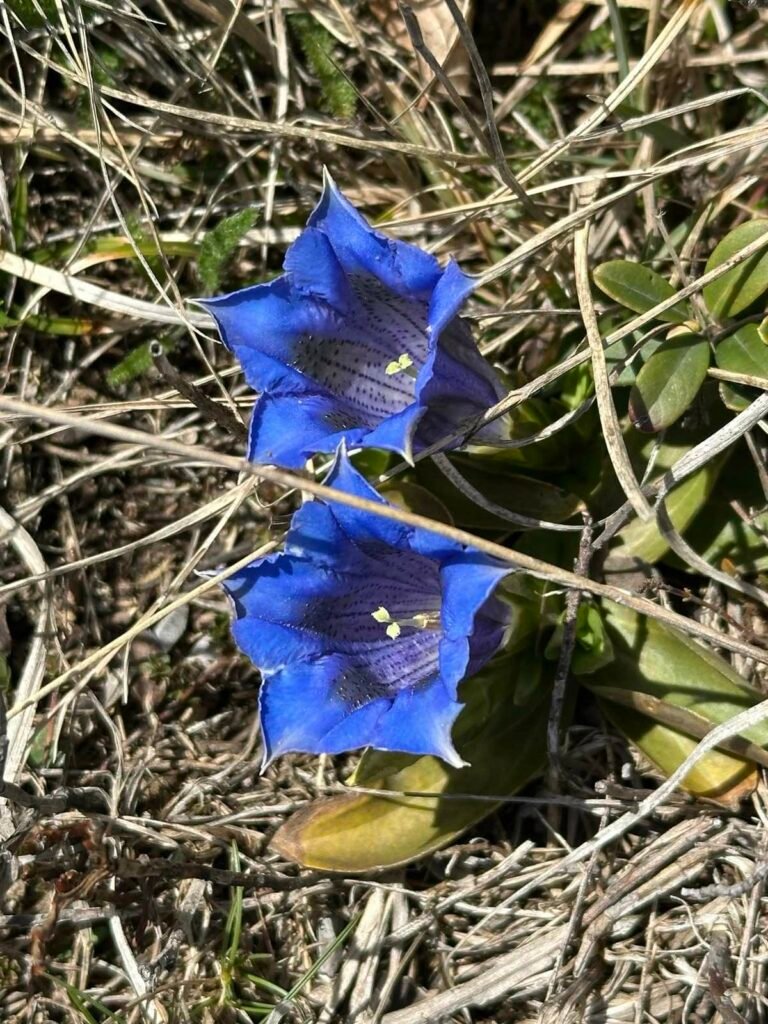
However, a key problem is that these Red Lists have not been updated for more than ten years. The Federal Ministry of Environment and Tourism acknowledges that the lists should be revised regularly, as conditions in nature are changing under the influence of climate change and human activities.
An additional challenge is the absence of an Institute for Nature Protection in the Federation of Bosnia and Herzegovina that would systematically monitor biodiversity. As a result, the monitoring of the state of nature in the Federation is based on fragmented data, individual studies, and field reports.
Who is in charge and where the system fails
Control over the collection, trade, and export of plant species is divided among several institutions. The Federal Administration for Inspection Affairs is responsible for phytosanitary control in import and export, while within the domestic market supervision is carried out by market, agricultural, forestry, and nature protection inspectorates.
International trade in herbs in the country is conducted on the basis of permits issued by the Federal Ministry of Agriculture, Water Management, and Forestry, in cases of legal trade.
“It is not possible to single out with certainty which plant species are most frequently traded. Trade involves all kinds of plants, mainly those used for medicinal purposes, in the cosmetic industry, as well as ornamental plants. Among them are orchids and Ruscus aculeatus (butcher’s broom), which is used as greenery in bouquets,” the Federal Administration for Inspection Affairs states.
They note that the main reasons for the increase in trade in rare or protected plant species lie precisely in their rarity and protected status, while growing demand in the pharmaceutical and cosmetic industries, as well as for ornamental plants, creates conditions for enormous profits.
Protected areas as an exception
Examples from protected areas show that control is possible when there is clear management and continuous supervision. The Cantonal Public Institution for Protected Natural Areas of the Sarajevo Canton manages areas such as the Spring of the Bosna River, Bijambare, Skakavac, Trebević, and Bentbaša, where, according to them, there are no cases of mass exploitation of rare and endangered plant species.
“The ranger service continuously monitors activities in the field, warns visitors, and, if necessary, informs the competent inspection services. This practice shows that institutional presence significantly reduces the space for illegal activities,” said Ismir Smajić from the institution.
He emphasized that the collection of rare and protected species is not allowed and requires approval from the Federal Ministry of Environment and Tourism. For non-protected species, collection is permitted and even recommended, but only in a sustainable manner.
Exports without records
Although the legal framework предусматриes permits for the collection and export of protected species, the absence of a unified register of issued permits and exported quantities makes it extremely difficult to monitor the real situation. The Federal Ministry of Environment and Tourism states that it has a database of permits issued for scientific research, but not for commercial collection.
“The biggest shortcoming in the Federation of Bosnia and Herzegovina is the absence of an Institute for Nature Protection. Such an institute exists in Republika Srpska. We are responsible for the conservation of wild species and their protection. The Law on Nature Protection recognizes scientific research and allows the collection of species from their habitats exclusively for scientific purposes,” said Zineta Mujaković, Head of the Department for Nature and Biodiversity Conservation.
She stressed that the collection of wild species is not completely prohibited for everyone, but that protected species are particularly vulnerable to abuse—for example, the harvesting of gentian can lead to the complete disappearance of a population at a given site.
The experience of Austria
While the protection of rare plant species in North Macedonia faces limited authority and weak institutional support, the experience from Austria shows a different approach. In Kalkalpen National Park, the focus is on continuous monitoring, education, and prevention, enabling early identification of threats and involving the public as allies in conservation rather than as a problem.
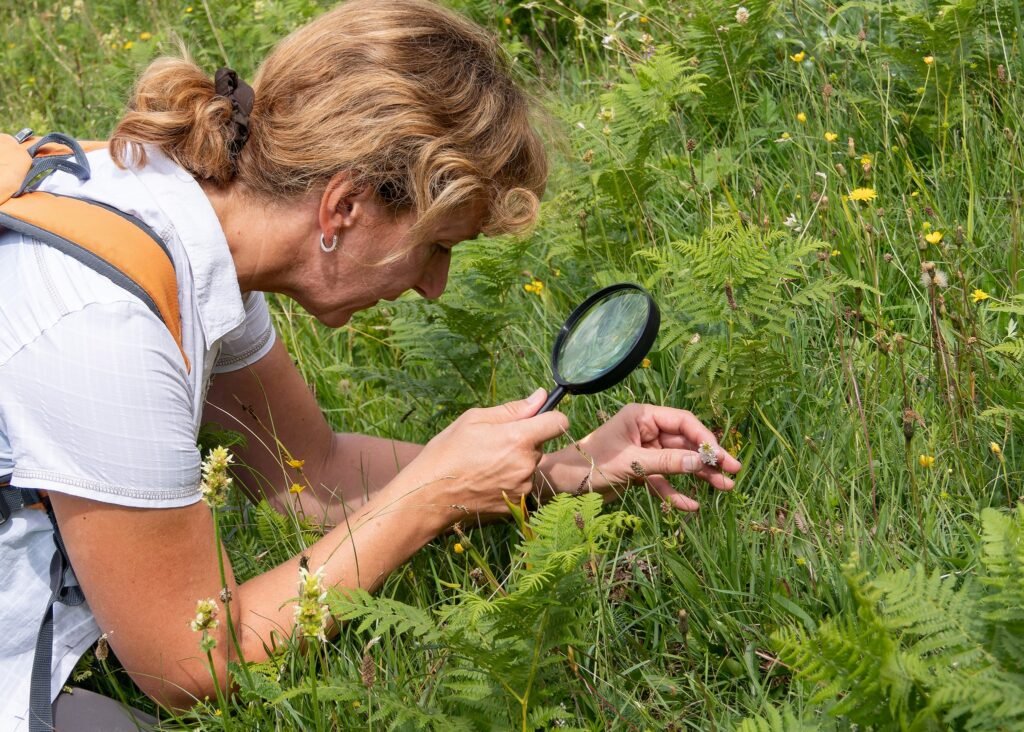
In an interview for this investigation, the park’s director, Josef Forstinger, explained that protection is based on systematic monitoring of species and trust in visitors.
“We have a clear monitoring plan that allows us to track the status of endangered species and respond in time if a threat emerges,” Forstinger says.
He emphasizes that visitors pose almost no risk to nature.
“The national park is difficult to access, and the natural environment itself, with fallen trees and dense terrain, naturally guides people to move carefully,” the director explains, adding that the role of rangers is primarily educational and preventive, not repressive.
According to him, the true measure of a national park’s success is not the number of visitors, but the message it conveys.
“Information and education are more important than prohibitions. When people understand why something is protected, they themselves become part of that protection,” Forstinger says.
In the end, the story brings us back to the bladder milkvetch, the small plant that has become a symbol of a much larger struggle. The solutions are clear, but they require political will: active state involvement through clearly defined responsibilities, stable and long-term financial support for protected areas, regular field monitoring, and better coordination among institutions. Without systemic support, responsibility remains with individuals and enthusiasts, rather than with the state as the guarantor of protection of natural heritage.
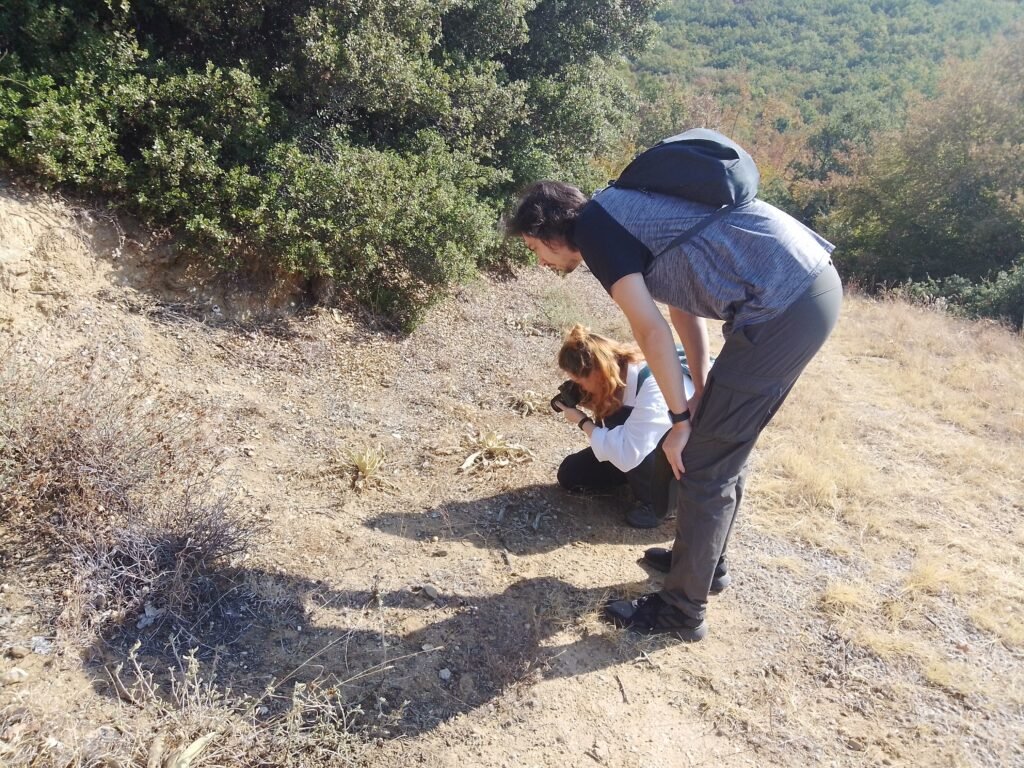
That is why the question remains whether this rare species will continue to live in its natural habitat in the future, or whether it will survive only as a print on Nadica Madžirova’s T-shirt—a reminder of something we failed to protect in time.
“This small plant is a great value that we must preserve for future generations. Through it, we can show how we care for ourselves,” Madžirova says with a smile.

.(This cross-border investigation was produced with the support of Journalismfund Europe.)