The handbook was developed within the Western Balkans Youth Lab, funded by the European Union and implemented by the Regional Cooperation Council (RCC). The initiative emerged from the Working Group on Disinformation and Media Literacy established within the Youth Policy Lab.
Author: NarativAI
How do young people distinguish a fact from an opinion, recognize manipulation, verify a suspicious image, understand what algorithms are showing them, or decide whether an AI-generated answer can be trusted?
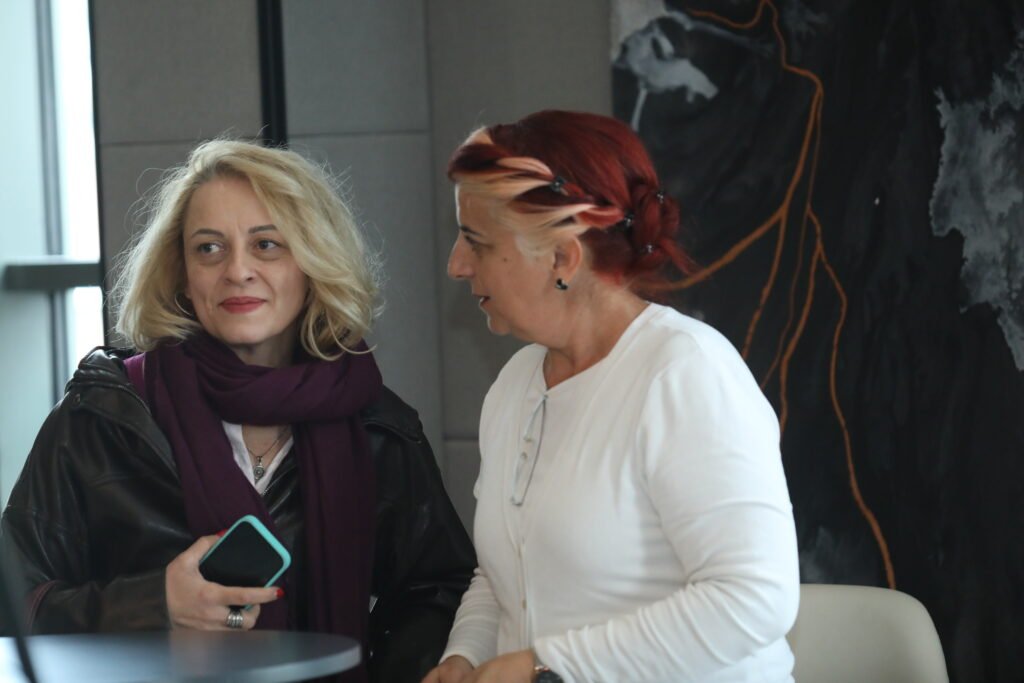
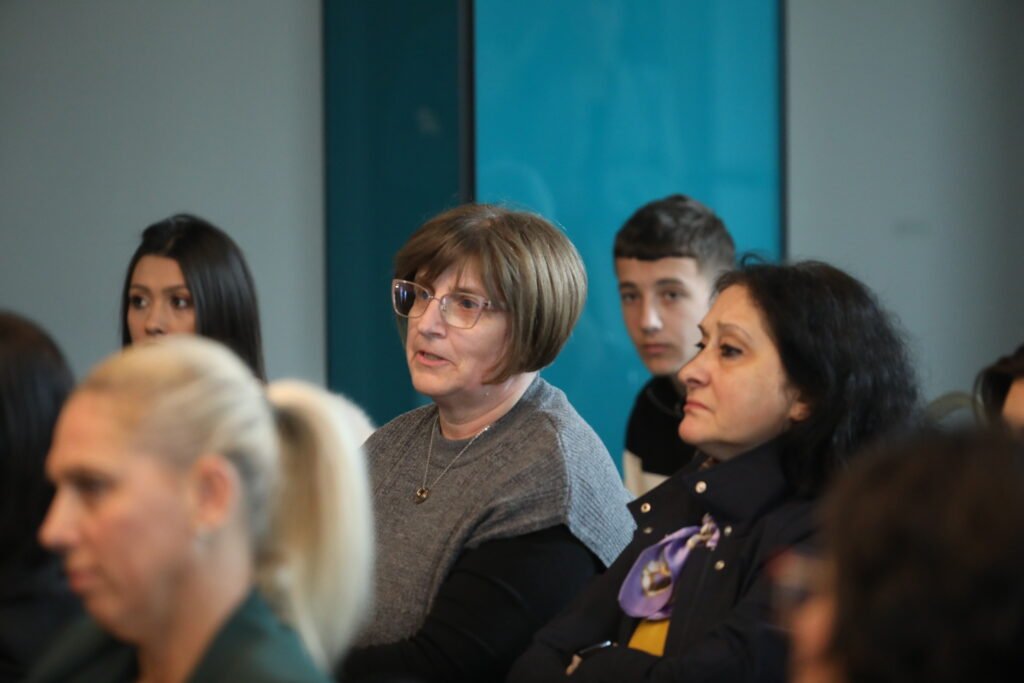
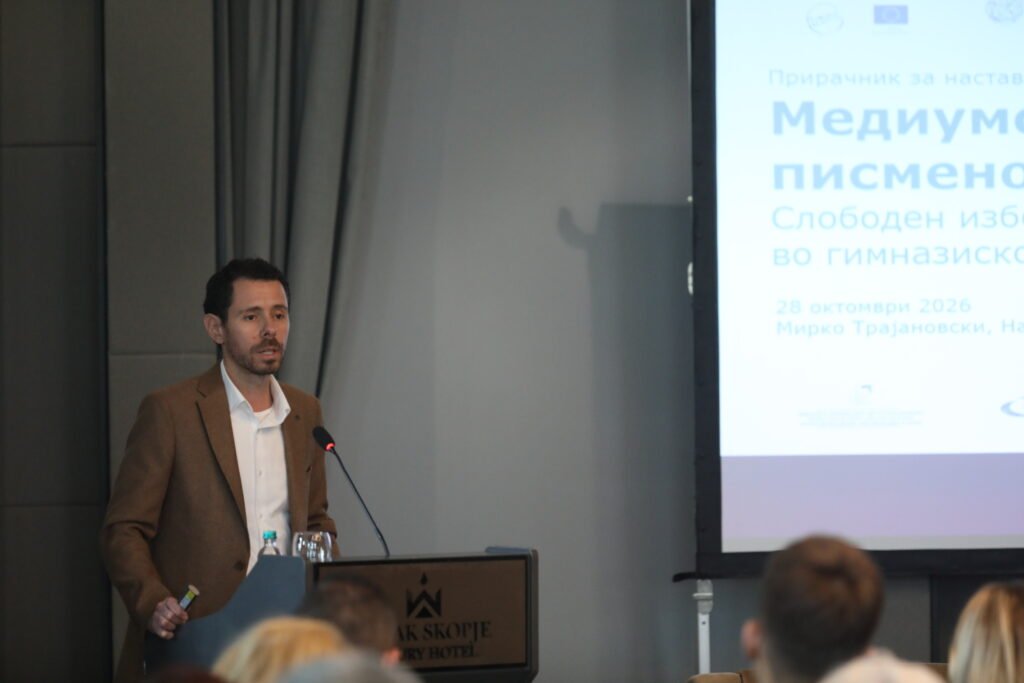
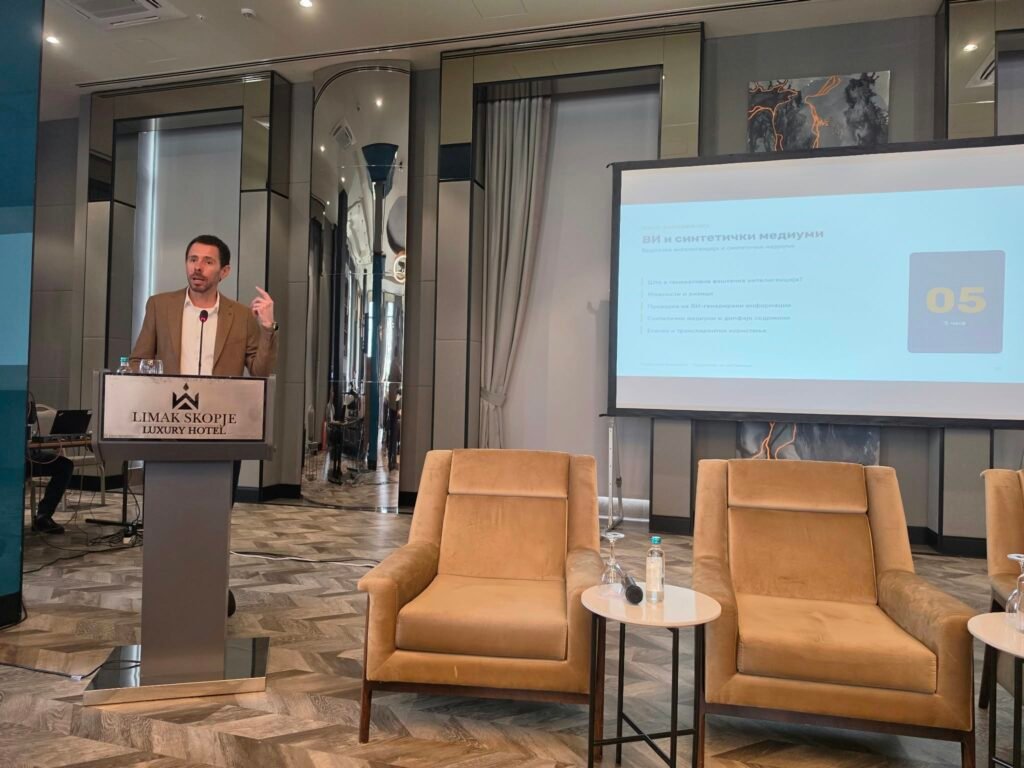
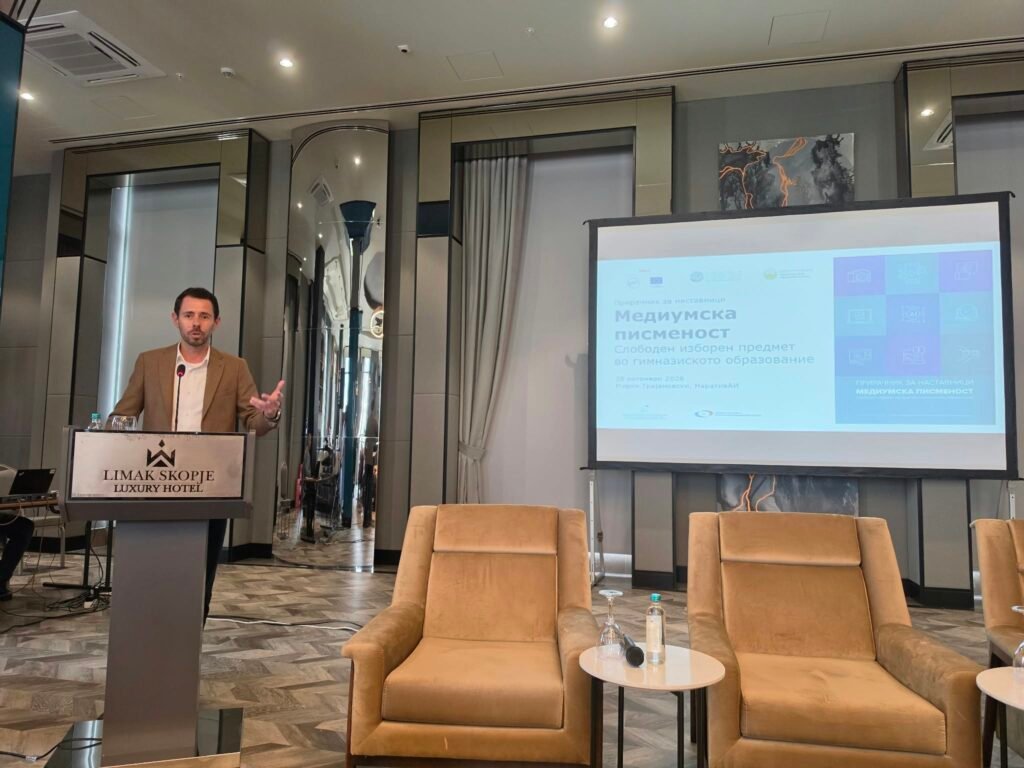
These are some of the questions at the heart of the new Media Literacy Handbook for Teachers, presented in Skopje by NarativAI before teachers and representatives of key education, media and youth institutions. The event was organized in cooperation with the National Youth Council of Macedonia (NYCM). It was implemented within the Western Balkans Youth Lab, a regional initiative implemented by the Regional Cooperation Council (RCC).
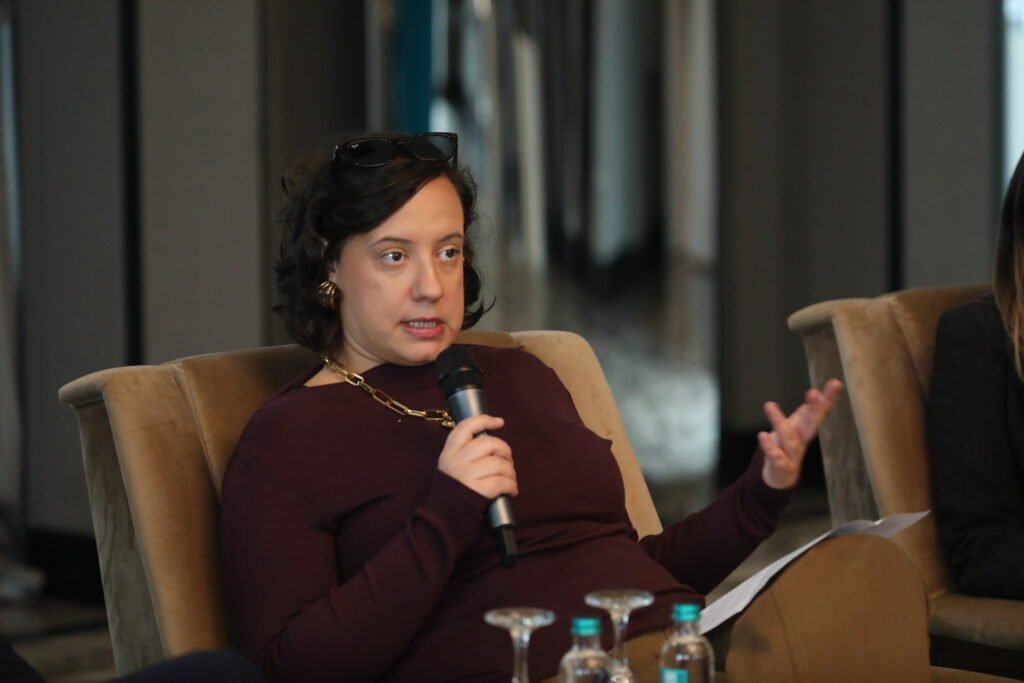
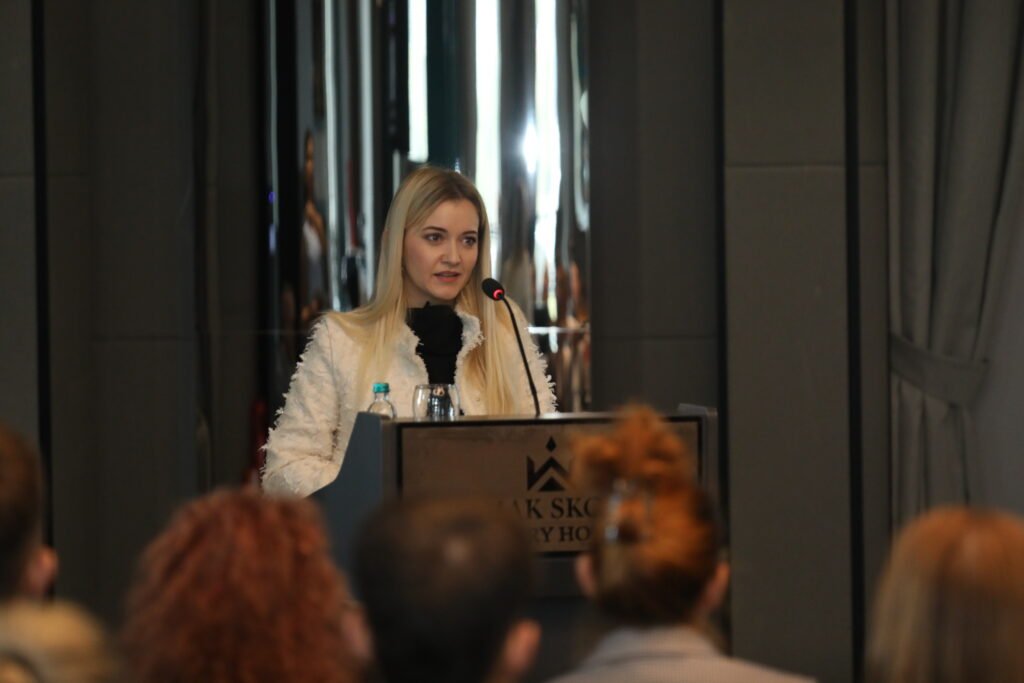

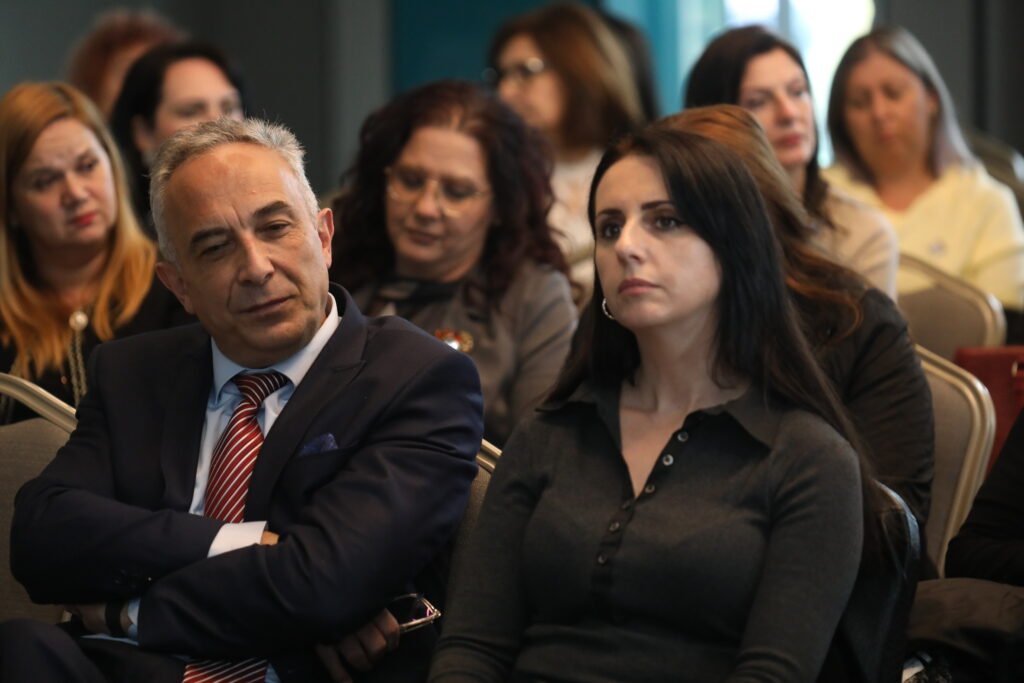
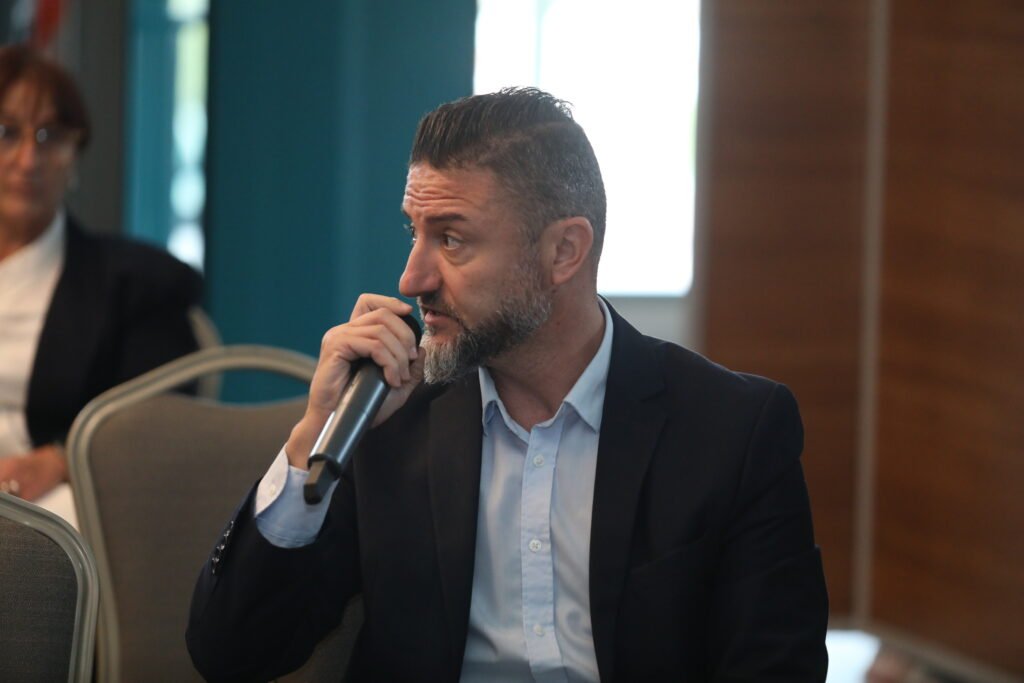
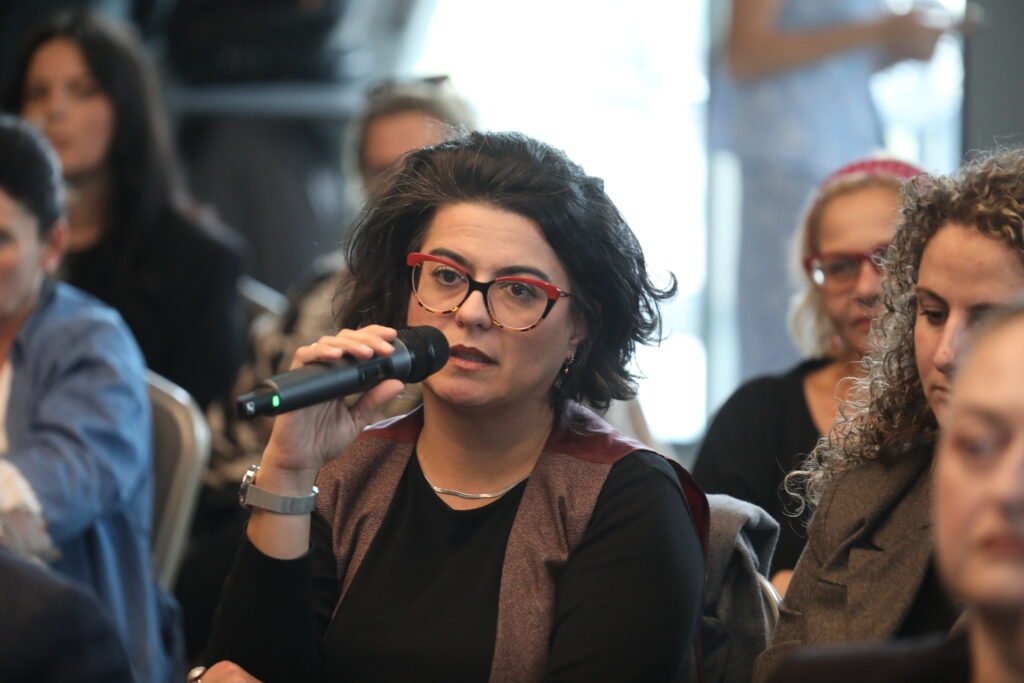

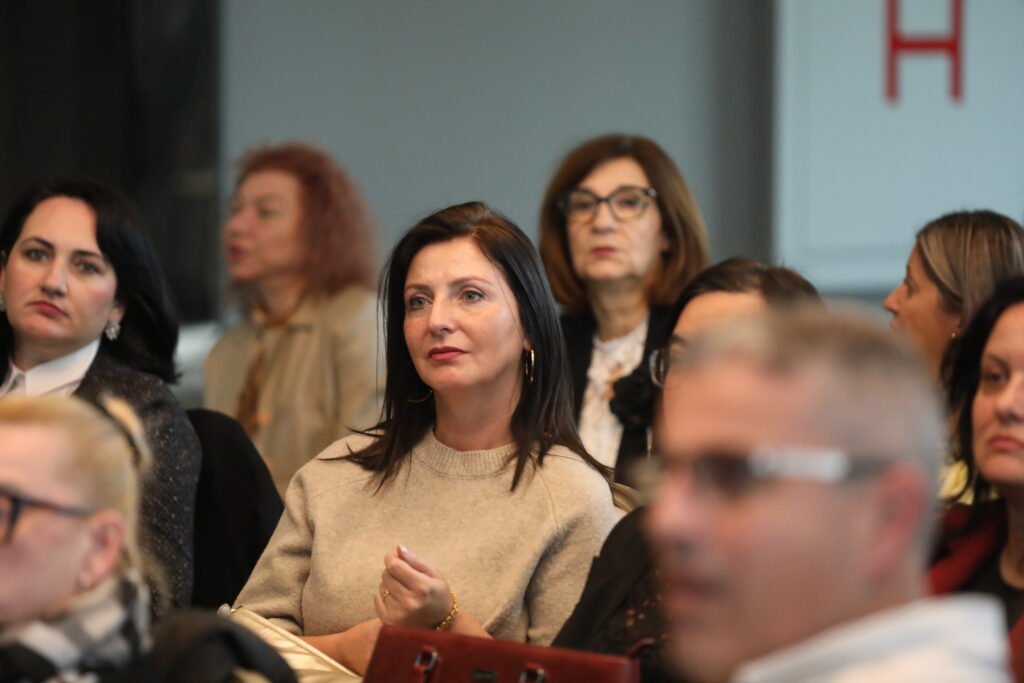
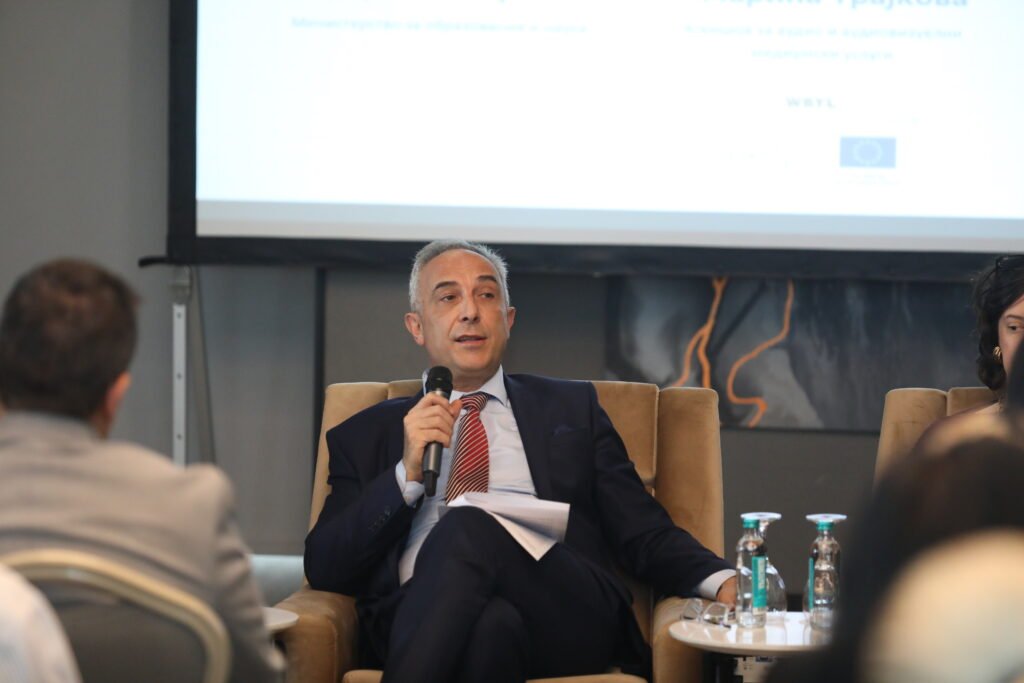
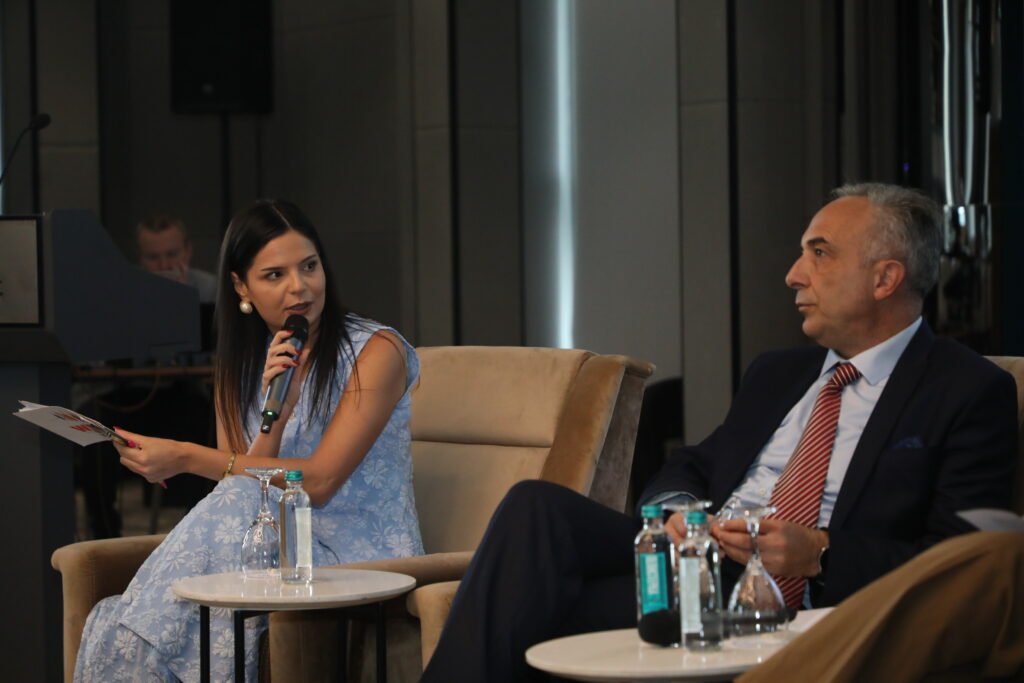
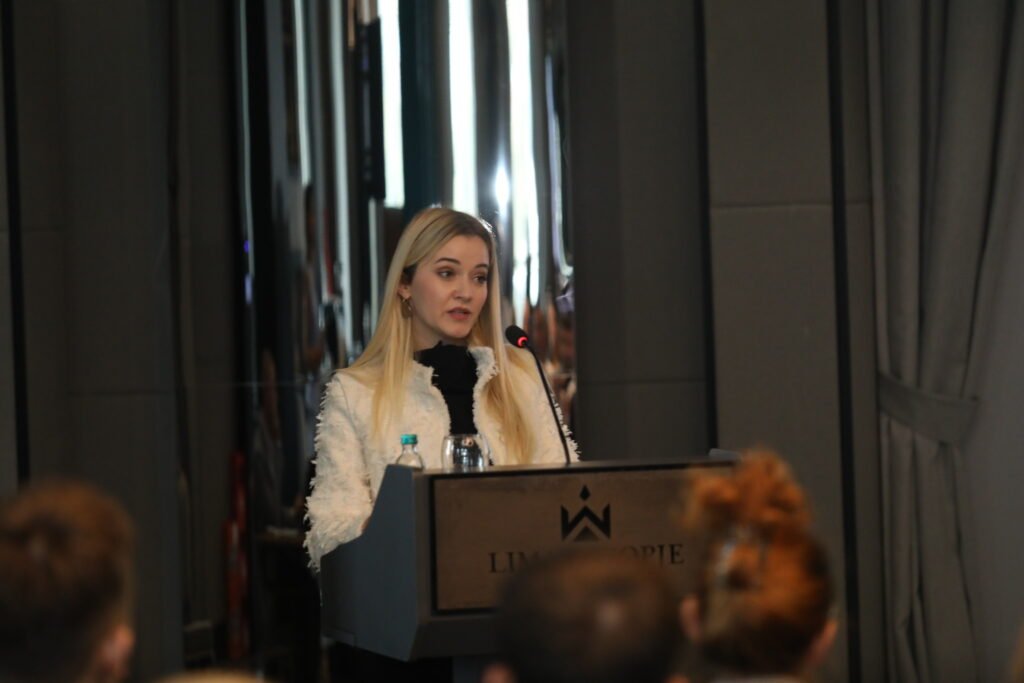
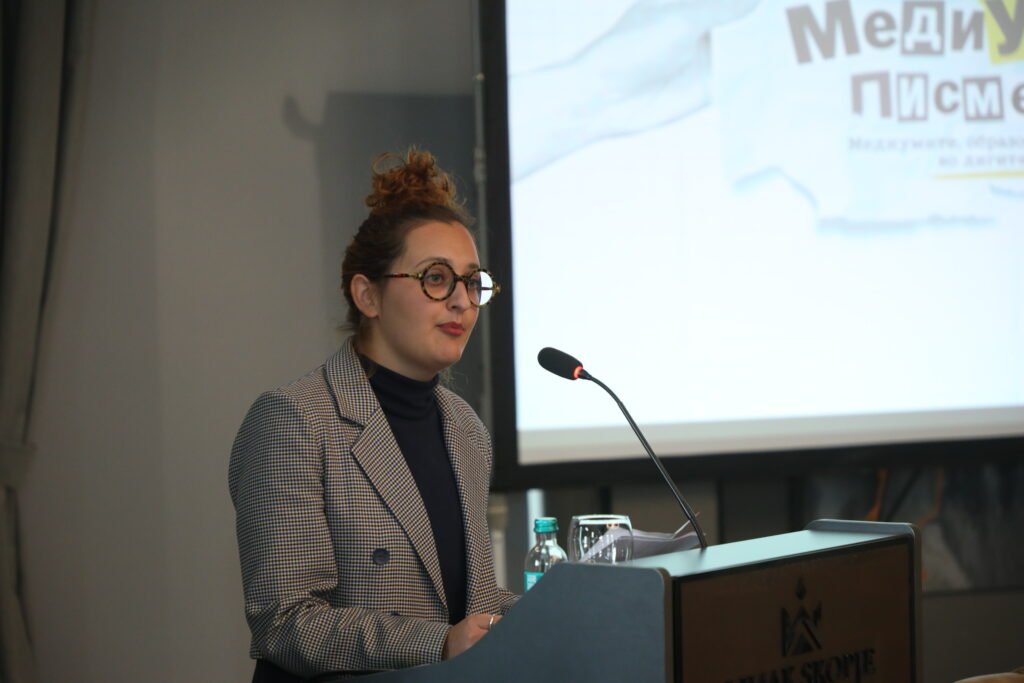
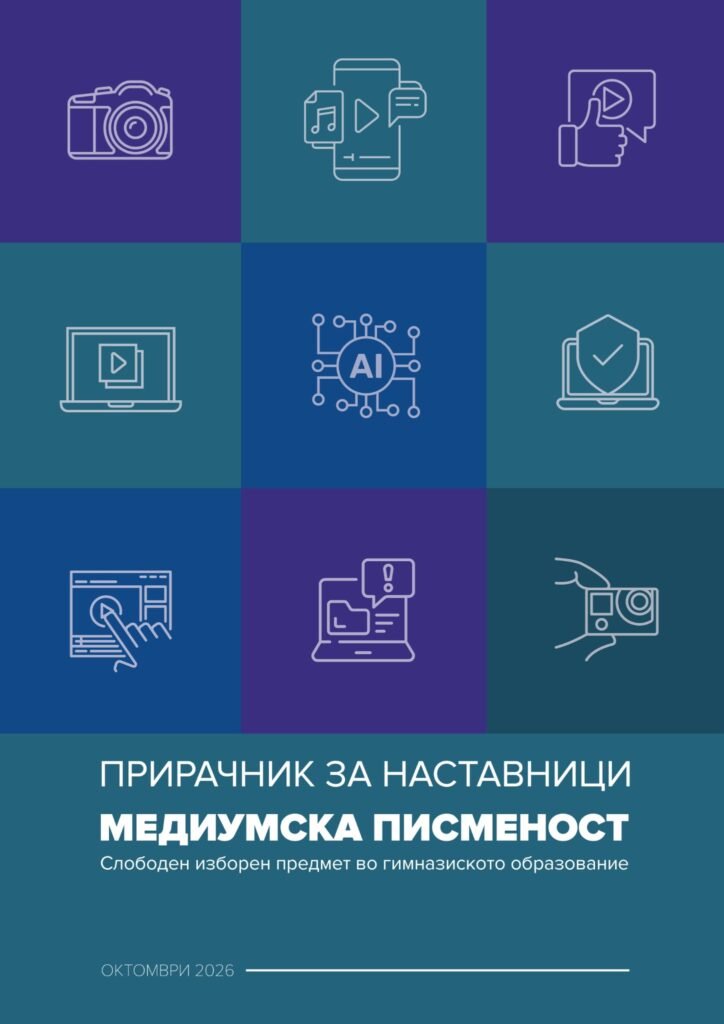
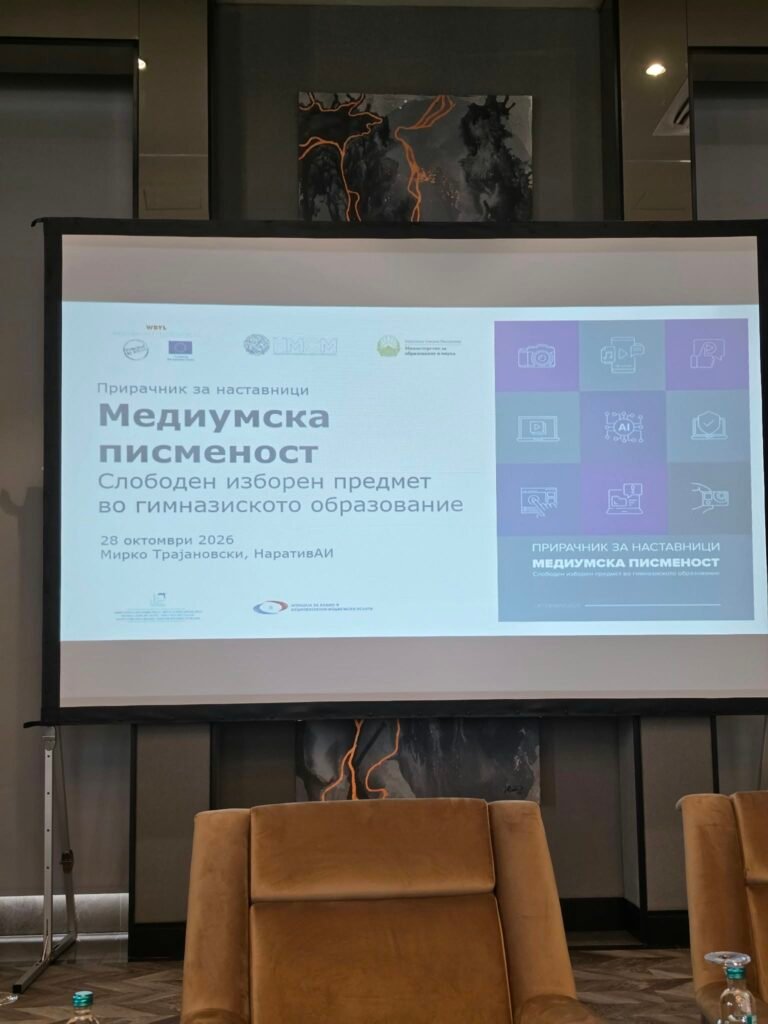
The handbook is designed to support teachers delivering the elective subject Media Literacy in gymnasium secondary education and translates the official curriculum into practical classroom activities, exercises, discussion prompts, worksheets and assessment guidance.
It was developed by the NarativAI team-Aleksandar Manasiev, Vesna Ivanovska-Ilievska, Milena Atanasoska Manasieva and Mirko Trajanovski-in cooperation with a working group bringing together representatives of the Bureau for Development of Education, Ministry of Education and Science, Agency for Audio and Audiovisual Media Services (AVMU), and the National Youth Council of Macedonia.
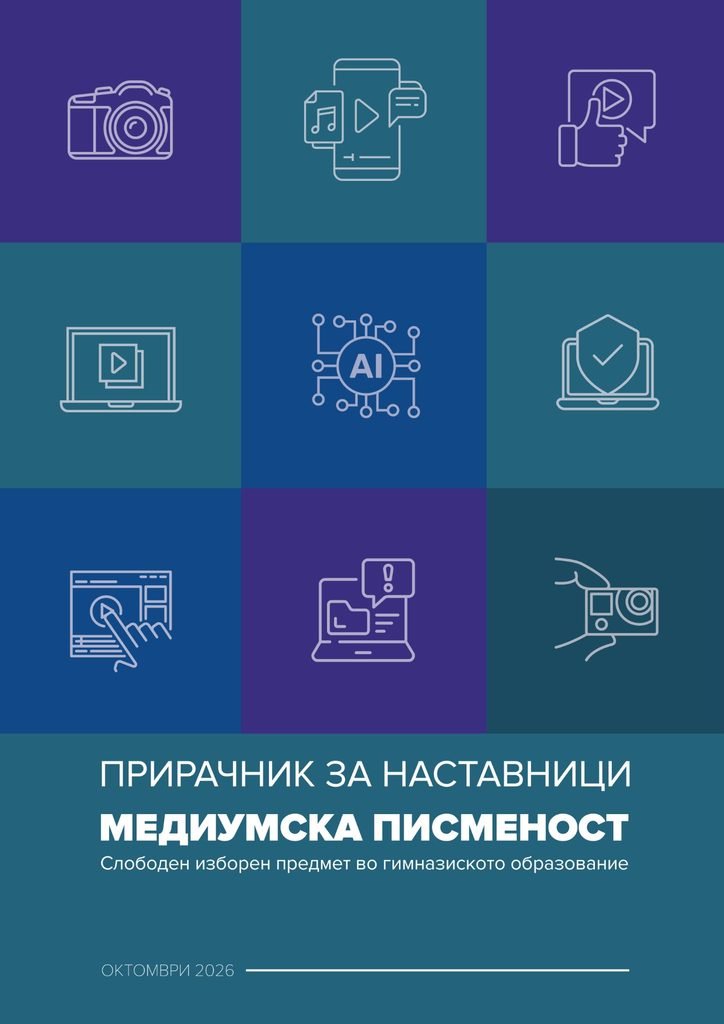
The handbook covers six thematic areas through 36 lessons, taking students from understanding their everyday media environment to analysing persuasion and manipulation, checking information and visual content, protecting privacy and safety online, critically using artificial intelligence, and ultimately creating their own responsible media product.
“Access to more information does not automatically mean that young people are better informed. Students need to learn to ask who is speaking to them, for what purpose, and what evidence supports the message,” said Mirko Trajanovski of NarativAI, one of the handbook’s authors.
Rather than treating media literacy as a set of definitions to memorise, the handbook places students in an active role. They analyse real-life-style scenarios, compare different ways of presenting the same event, investigate sources, assess digital risks, identify persuasive techniques and test how apparently convincing information can still be misleading.
A strong emphasis is placed on verification. Students learn to distinguish between facts, opinions and interpretations; trace information back to its original source; examine the date and context of photographs and videos; and recognise the difference between a suspicious indicator and actual evidence.
Artificial intelligence is also treated as a core part of contemporary media literacy. Students explore the difference between traditional digital tools, recommendation systems and generative AI, while learning that a fluent or convincing AI response is not proof that the information is correct.
“A better prompt can produce a better answer, but not necessarily a correct one. The final responsibility remains with us -we need to check the information, the sources and the evidence,” Trajanovski told participants.
The presentation also demonstrated selected classroom exercises from the handbook, including “Evidence Detectives”, an activity in which students determine what exactly can be verified in a statement and what type of evidence would be needed, as well as an exercise on how the way a question is formulated changes the output produced by generative AI.
Special attention is given to issues that are increasingly part of students’ everyday digital lives: influencers and commercial content, algorithms and personalization, clickbait and sensationalism, disinformation, suspicious profiles, privacy, digital reputation, cyberbullying, hate speech, deepfakes and synthetic media.
For NarativAI, the objective was not to create another theoretical publication, but a resource teachers can actually use in the classroom.
“We wanted teachers to have a concrete foundation for their work-examples they can use, adapt and discuss with their students. Progress is visible when students begin asking better questions, choosing stronger evidence and explaining why they reached a particular conclusion,” Trajanovski said.
The handbook was developed within the Western Balkans Youth Lab, funded by the European Union and implemented by the Regional Cooperation Council (RCC). The initiative emerged from the Working Group on Disinformation and Media Literacy established within the Youth Policy Lab.
By bringing together media literacy, verification, digital safety and responsible use of AI in one practical teaching resource, the handbook aims to help schools respond to an information environment that is changing far faster than traditional textbooks.
For students, the central lesson is simple: do not stop at what appears on the screen-ask who created it, why it was created, what evidence supports it, and what still needs to be checked.