“For many teachers, AI is no longer something abstract, it’s already in their classrooms,” said Silvana Binova, a mathematics teacher who has been experimenting with AI tools in her daily teaching.
Author: NarativAi
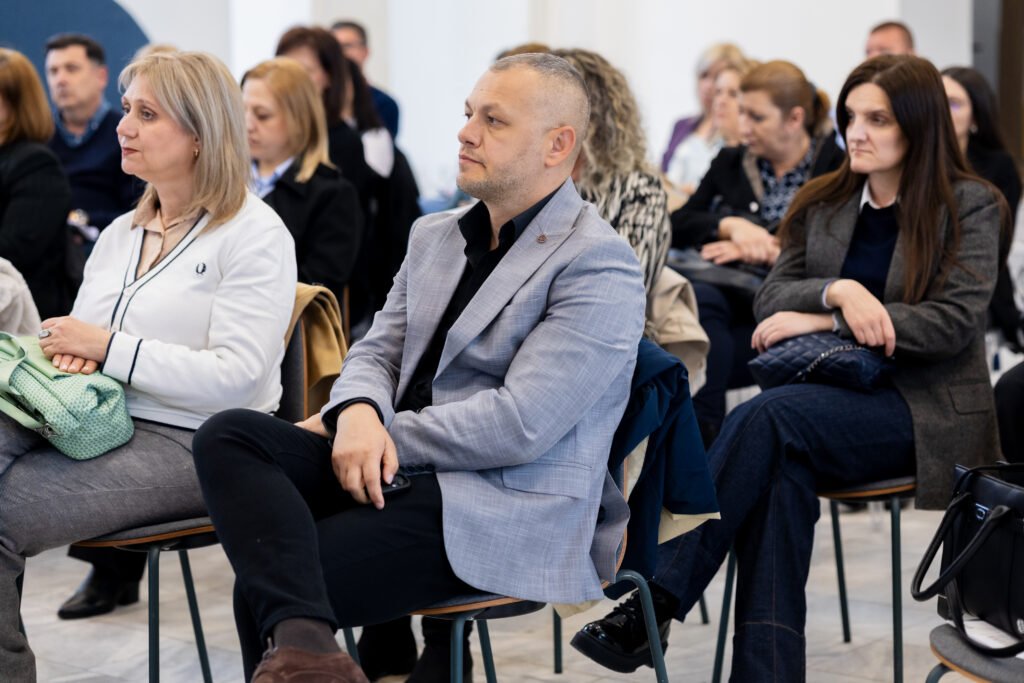
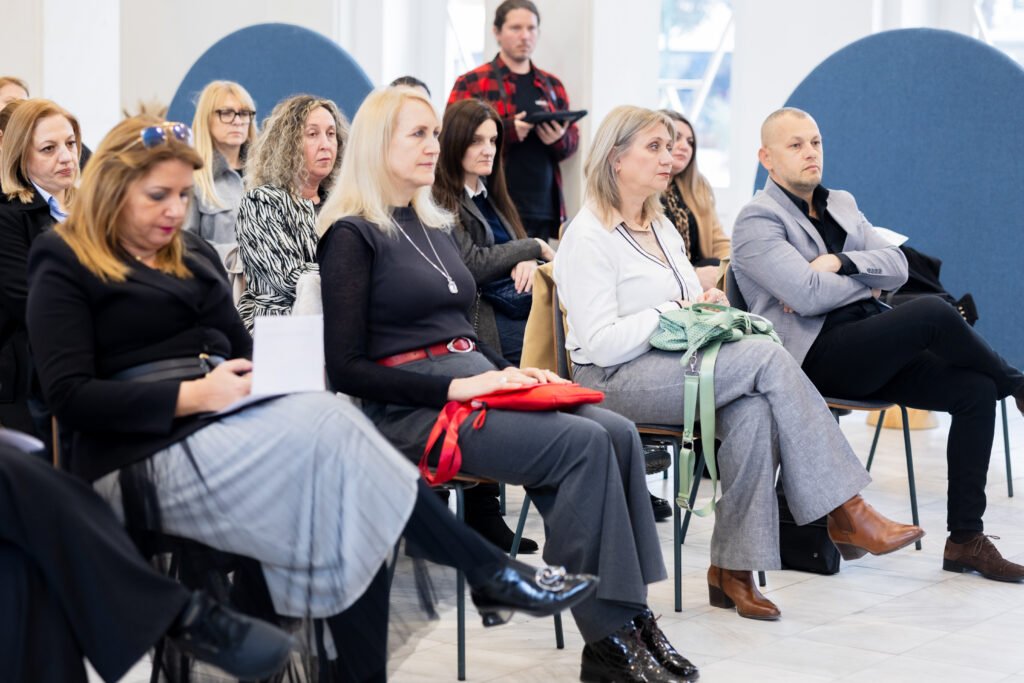
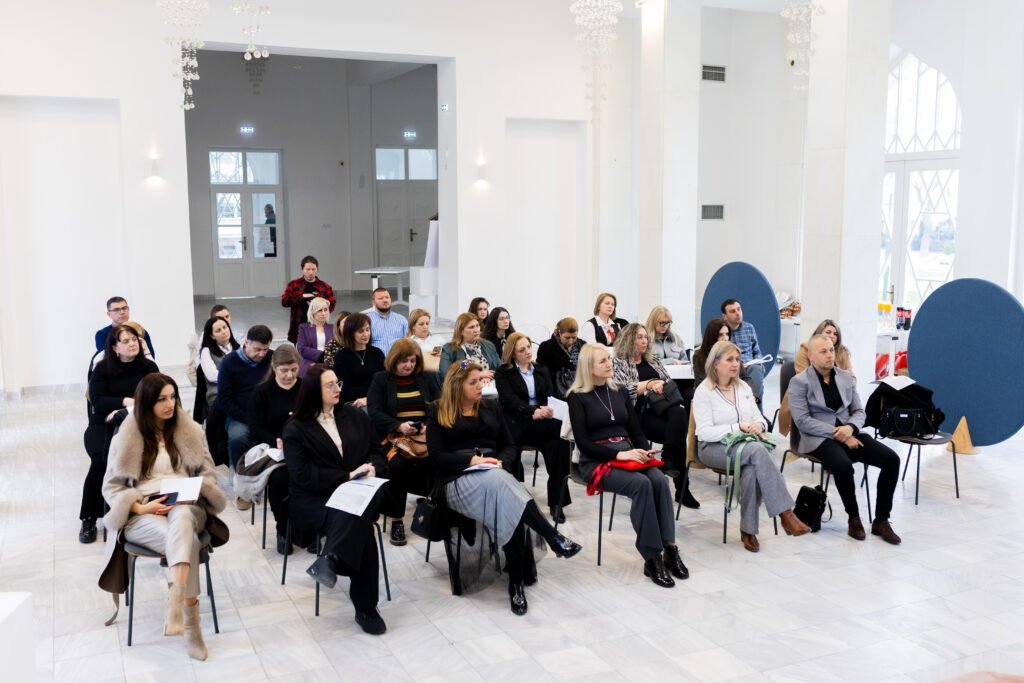
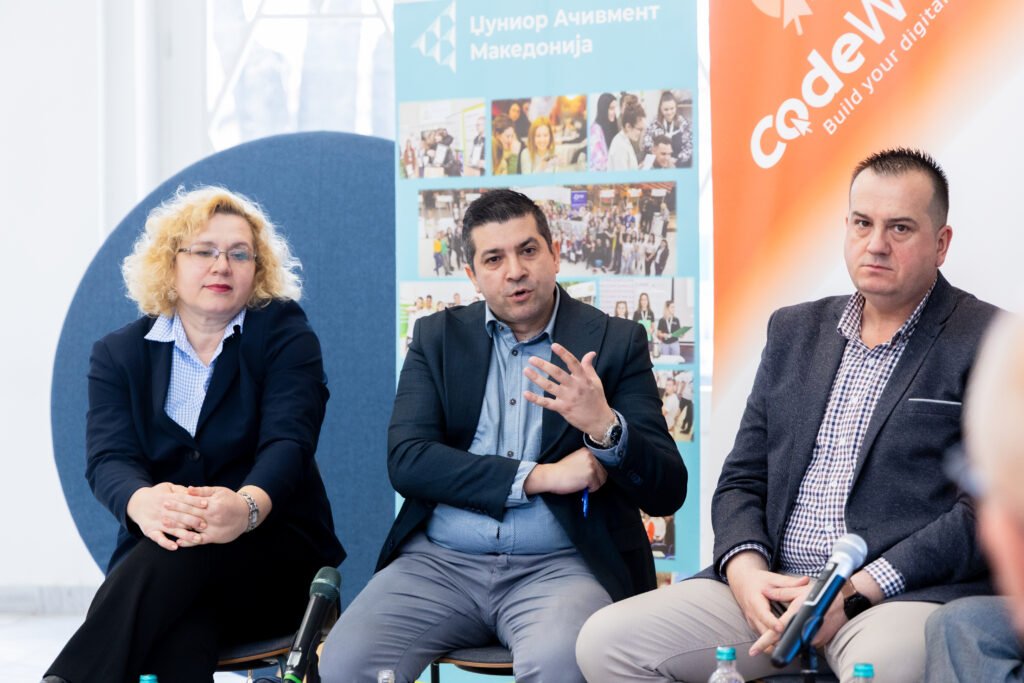
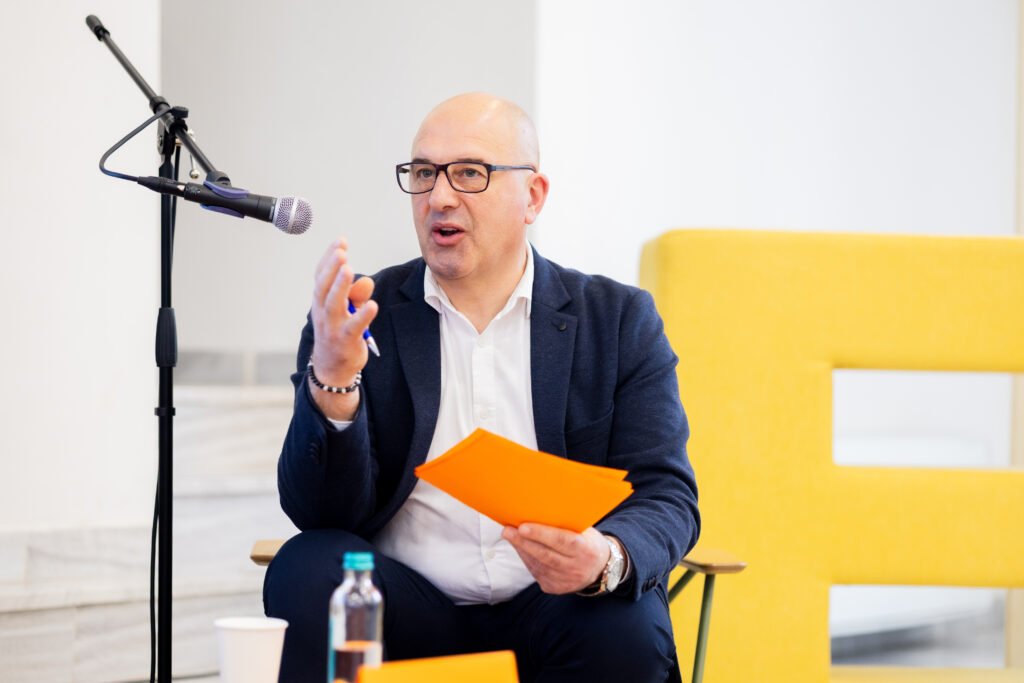
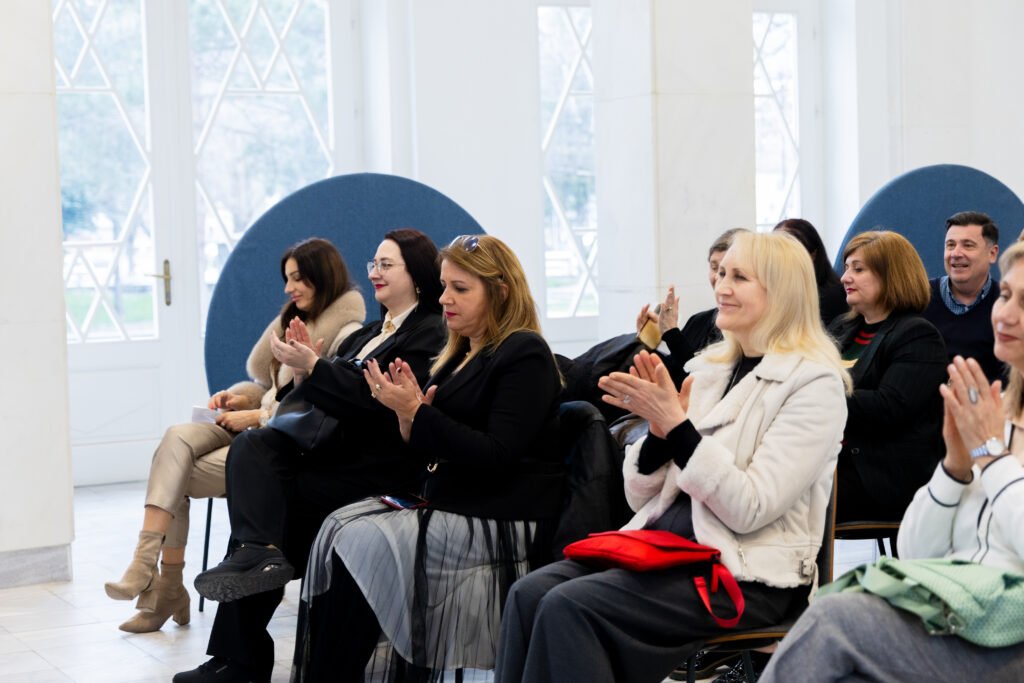
As artificial intelligence becomes increasingly present in everyday life, classrooms are emerging as one of the key battlegrounds where its impact will be felt most directly. At a panel discussion held in Bitola last week, organized by the education association Edu Skills as part of its digital skills initiative, educators, policymakers and media experts warned that while AI offers powerful tools for learning, it also raises urgent questions about ethics, trust and the role of teachers.
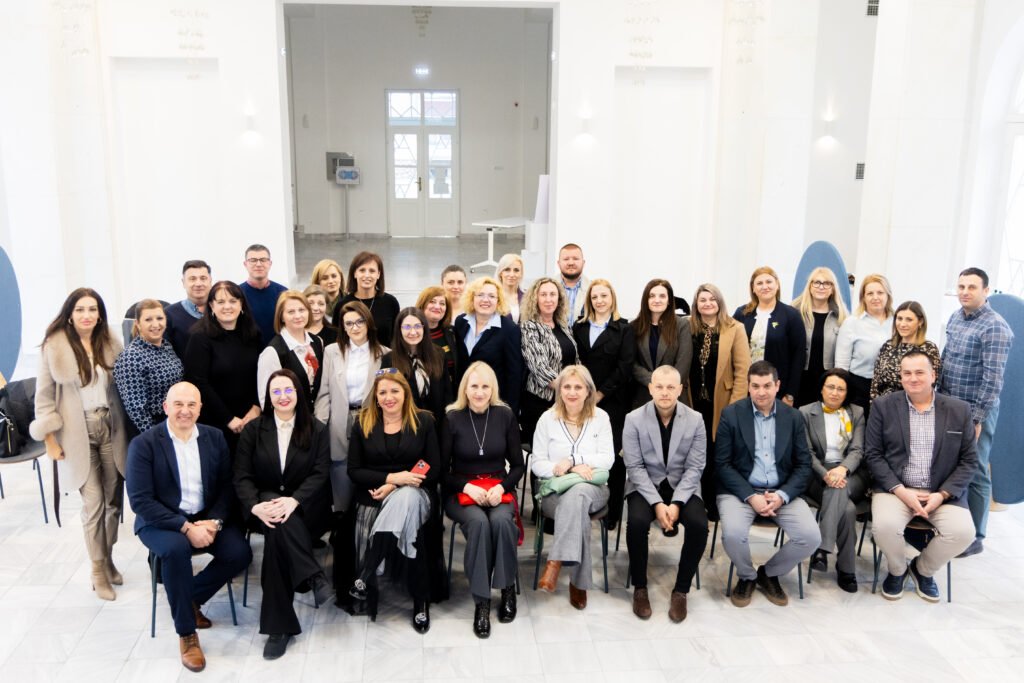
The event, titled “Artificial Intelligence and the Future of Education,” brought together practitioners and decision-makers to reflect on how schools in North Macedonia and the wider region, should respond to the rapid rise of generative technologies.
From curiosity to classroom reality
“For many teachers, AI is no longer something abstract, it’s already in their classrooms,” said Silvana Binova, a mathematics teacher who has been experimenting with AI tools in her daily teaching.
According to her, students are quick to adopt new technologies, often faster than institutions can respond. “The challenge is not whether students will use AI, but whether we guide them to use it responsibly,” she noted.
Participants shared examples of how AI is already being used, from assisting with lesson preparation to helping students better understand complex concepts. But alongside these opportunities, concerns about misuse and overreliance were repeatedly raised.
“We need critical thinkers, not passive users”
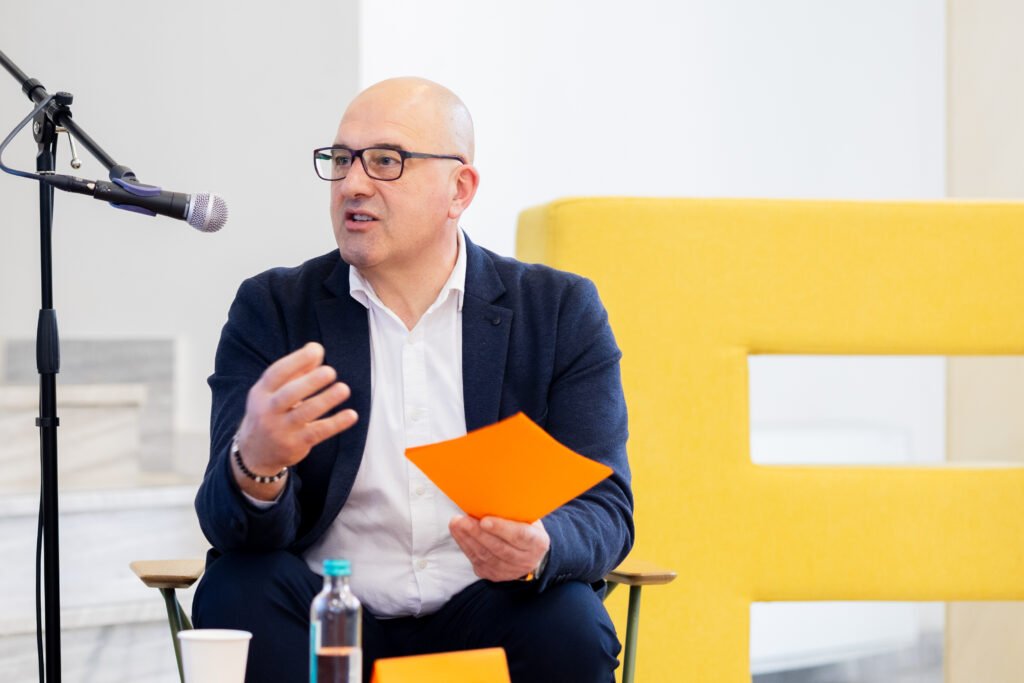
Journalist and media expert Aleksandar Manasiev from NarativAI pointed to the growing overlap between AI, education and the information ecosystem.
“We are entering a phase where distinguishing between real and generated content will become harder,” he said, stressing that media literacy must become a central part of education.
According to Manasiev, students should not only learn how to use AI tools, but also how to question them. “If we don’t teach critical thinking alongside technology, we risk creating passive users instead of informed citizens,” he added.




The discussion also touched on the rise of deepfakes and AI-generated misinformation, issues that are no longer limited to the media sector but increasingly affect young audiences.
Rethinking assessment and trust
Another key concern raised during the discussion was how AI challenges traditional forms of assessment. Panelists agreed that education systems will need to rethink evaluation methods, placing greater emphasis on process, creativity and critical engagement rather than purely final outputs.
At the same time, the issue of trust, between teachers and students, but also in digital tools themselves, emerged as a recurring theme.
Support systems still lag behind
Despite growing interest, many participants highlighted a gap between policy ambitions and practical support. Dobri Jovеvski from Edu Skills noted that the project has already delivered a series of teacher trainings and classroom-based activities, helping integrate digital and AI skills into everyday teaching practice.
Goce Bumbaroski, representing the local education sector, emphasized that efforts are being made at the municipal level to promote digital skills, adding that cooperation between institutions and schools remains essential for long-term impact.
Ljupka Panchevska from JA Macedonia highlighted that initiatives like this play a key role in preparing young people for the future labour market, particularly by developing practical digital and entrepreneurial skills. Calls were made for more training, accessible resources and long-term strategies to help educators adapt to the fast-changing technological landscape.
The panel was part of a wider initiative aimed at strengthening digital and AI skills among teachers and students in North Macedonia. Through workshops and classroom activities, thousands of students have already been introduced to coding and AI-related learning.
But beyond numbers, the discussion in Bitola reflected something deeper: a growing awareness that education systems must evolve, not only technologically, but also ethically and pedagogically.
As one participant summed it up, “AI will not replace teachers, but it will definitely change what it means to be one.”
Organized by the education association Edu Skills from Kriva Palanka, the event was part of the project “Code for the Future – AI and Digital Skills Hub,” implemented within the framework of EU Code Week and supported by JA Europe and the European Commission.
(This text was written and reviewed by the editor with support from artificial intelligence tools for language editing and stylistic refinement. More on how NarativAi uses AI — Link)