We spoke with Layal Bahnam and Roula Mikhael from the Maharat Foundation about the daily challenges they face, the lessons they’ve learned from the past, and what the future holds for media freedom in Lebanon.
Author: Mirko Trajanovski
For years, Lebanon’s media has been tied to political interests and financial struggle. Today, the situation is even harder. With regional instability and a weak economy, it is becoming difficult for the public to trust the news. At the same time, new technology like Artificial Intelligence (AI) is already changing how journalism works.
To tackle these issues, a new reform project has launched. The Media and Journalism Research Center (MJRC) is working with the Maharat Foundation and Legal Agenda on an initiative called “Support to Media Reform in Lebanon.” Funded by the European Union, the project aims to push for long-awaited media laws while helping newsrooms prepare for the digital age.
We spoke with Layal Bahnam and Roula Mikhael from the Maharat Foundation about the daily challenges they face, the lessons they’ve learned from the past, and what the future holds for media freedom in Lebanon.
NarativAI: What are the main challenges facing the media landscape in Lebanon today, particularly in terms of freedom of expression and public trust?
Layal Bahnam:
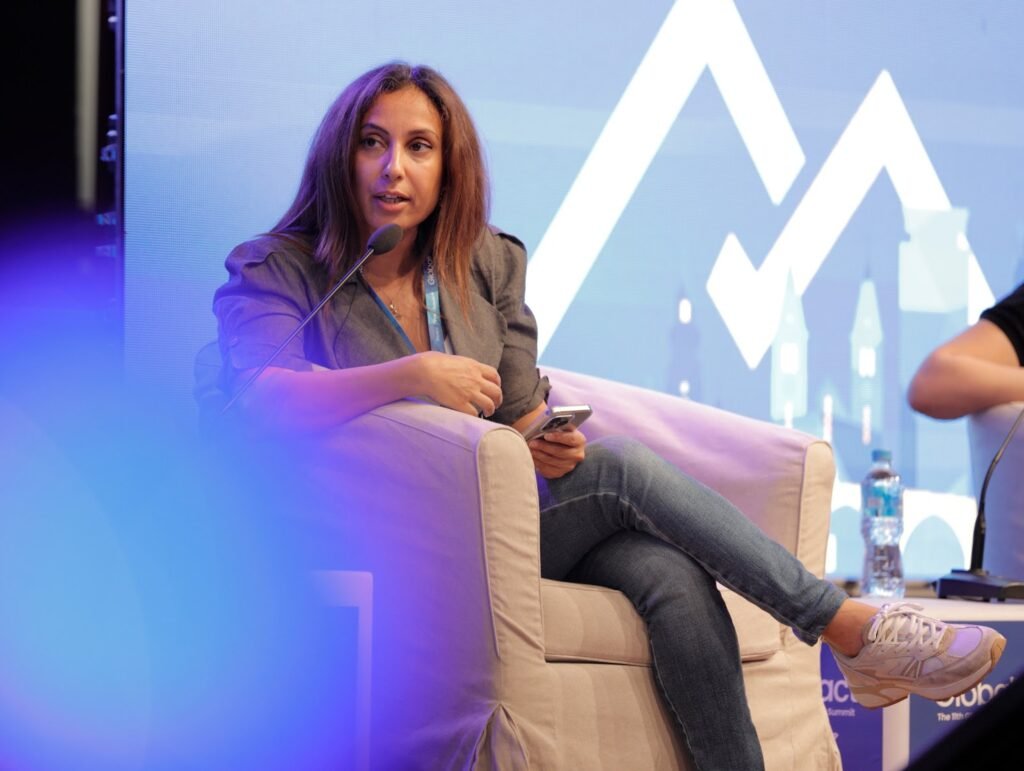
Layal Bahnam is a program manager at Maharat Foundation (Source: Maharat Foundation)
Lebanon’s press freedom environment remains constrained by the weaponization of defamation and insult laws. Journalists and activists are frequently summoned for investigation, independent media platforms face smear campaigns, and criminal prosecution continues to be used against them and, more broadly, anyone challenging narratives aligned with the interests of political and economic power centers.
Limited media pluralism is another major concern. While Lebanon’s constitutional framework affirms freedom of expression and pluralism, the legal and regulatory systems that govern media in practice create significant structural barriers. These include licensing restrictions, outdated and restrictive laws, and the absence of safeguards against political interference. The national regulatory authority remains politically co-opted and ineffective, with no real independence.
The safety of journalists also remains a serious issue. Israeli shelling and airstrikes, ongoing since late 2023, continue to put reporters on the ground, particularly in southern Lebanon, at significant risk. Moreover, impunity is widespread, with killings and attacks against journalists rarely investigated and accountability largely absent, reinforcing a climate of fear and vulnerability in the media sector.
Roula Mikhael:
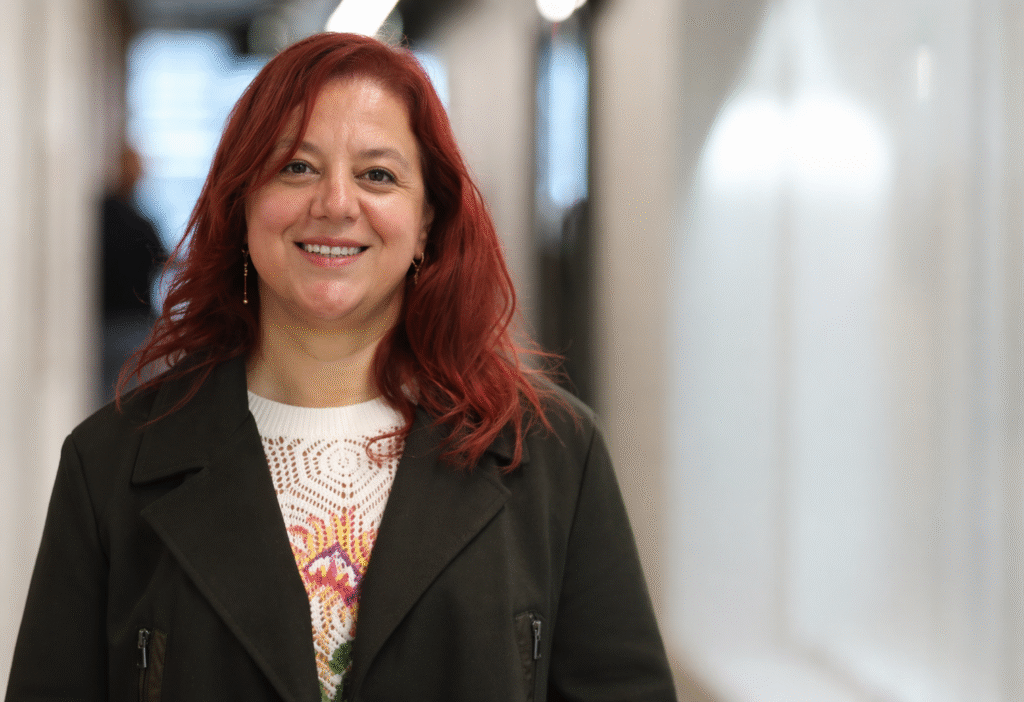
Roula Mikhael is the founder and Executive Director of the Beirut based Maharat Foundation (Source: Maharat Foundation)
At the same time, the lack of transparency in media ownership continues to undermine trust. Existing laws do not adequately ensure transparency in ownership structures or prevent concentration, while weak enforcement further affects financial transparency and compliance. This directly impacts editorial independence. There is also a clear need to distinguish advertising and paid content from editorial material to protect journalistic integrity and better inform audiences.
Access to information remains limited. Although there is a legal framework in place, the Access to Information Law is inconsistently and selectively implemented. Public institutions often fail to respond to requests, which undermines transparency and restricts journalists’ ability to report on issues of public interest, as documented by the Maharat Foundation.
NarativAI: This project builds on earlier phases, so what are the key lessons or insights from the previous stages that are shaping your current work?
Roula Mikhael:
One of the main lessons from earlier phases is that meaningful media reform requires a strong evidence-based approach grounded in research, comparative analysis, and alignment with international standards. By combining in-depth studies with benchmarking against European frameworks, we were able to move beyond advocacy and contribute directly to policy discussions at the parliamentary level.
Another key insight is that reform does not end with legislation. It requires preparing the institutional and professional foundations for implementation. This is why current efforts focus not only on supporting the adoption of the law, but also on enabling the establishment of an independent media council capable of ensuring transparency, monitoring media practices, and promoting pluralism in line with democratic standards.
Layal Bahnam:
This approach also demonstrated the importance of building a broad ecosystem around reform. Through sustained engagement, we brought together journalists, academics, and media professionals who not only contributed to the process but actively endorsed and amplified the proposed reforms. This created a lasting network that continues to shape public debate and supports ongoing work with young researchers and journalists.
NarativAI: What are the main priorities of this phase of the project, and how does it respond to the current media and policy environment in Lebanon?
Layal Bahnam:
This phase focuses on translating reform momentum into both policy progress and practical implementation. A key priority is continuing advocacy to support the adoption of the media law reforms developed in the previous phase, ensuring they remain on the political agenda despite ongoing instability in Lebanon.
Another priority is strengthening the link between research, journalism, and policymaking. Through the Young Media Researchers Program and targeted fellowships for journalists, including on AI and media policy, the project supports a new generation of professionals equipped to engage with complex regulatory and information environment challenges.
Roula Mikhael:
At the same time, we are working on laying the technical foundations for implementation, particularly for the future independent media council. This includes developing tools such as a prototype for media ownership transparency, monitoring guidelines, and internal bylaws that can support its effective and independent functioning.
This phase is implemented through a close collaboration between the Maharat Foundation and the Media and Journalism Research Center (MJRC), enabling the exchange of tools, methodologies, and standards, while ensuring that emerging issues, such as AI and digital governance, are effectively integrated into the reform process.
NarativAI: How is AI beginning to impact journalism and media systems in Lebanon, and what do you see as the biggest risks and opportunities?
Roula Mikhael:
AI is already reshaping journalism in Lebanon, particularly within a highly digital and platform-driven media environment. On one hand, generative AI introduces new risks related to disinformation, including the manipulation of audio-visual content and increasing challenges around verification and source protection. Journalists are now required to adopt more advanced verification practices and rethink ethical standards as AI tools become integrated into newsroom workflows.
In Lebanon, these challenges are compounded by gaps in policy and institutional readiness. Current policy discussions are still evolving, with limited consensus on how to address issues such as deepfakes, and a tendency to approach them through restrictive measures rather than frameworks grounded in transparency and freedom of expression.
Layal Bahnam:
At the same time, journalism is increasingly shaped by algorithmic systems. Content visibility and public discourse are heavily influenced by platform moderation and recommender systems, which remain largely opaque. This creates structural challenges for media organizations, as editorial independence is affected not only by local dynamics but also by global platform governance.
However, AI also presents important opportunities. It can enhance efficiency in news production through tools for transcription, translation, and research, and support journalists in handling large volumes of information more effectively. The key challenge moving forward is to ensure that these technologies are integrated in a way that strengthens journalistic standards, rather than undermines trust in the information ecosystem.
NarativAI: Finally, how do you see the collaboration with Aleksandar Manasiev and NarativAI contributing to the project, particularly in bringing a regional perspective on ethical AI and media transformation?
Roula Mikhael:
Collaborating with Aleksandar Manasiev and NarativAI helps connect local experiences in Lebanon with broader regional insights, while strengthening the exchange of approaches on responsible AI use, information integrity, and the future of journalism in rapidly evolving digital environments.
Layal Bahnam:
We are excited about this partnership, as it brings a valuable regional perspective on ethical AI and media transformation.